 EARTH LAYERS
Send your finishes schedule
EARTH LAYERS
Send your finishes schedule
What to expect
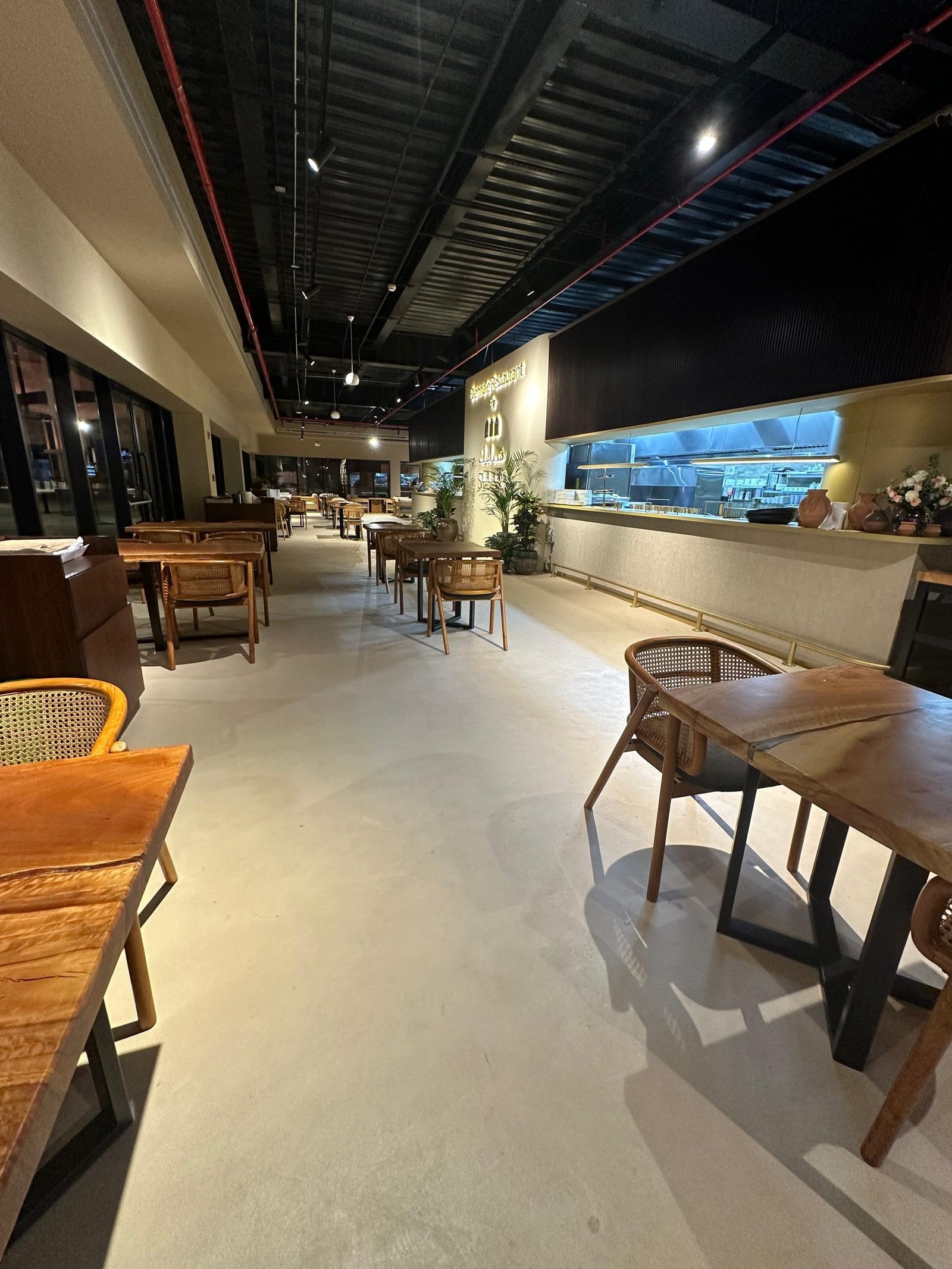
The reason microcement is specified on floors is almost always thickness. At 2 to 3 mm it can be laid over an existing screed, tile or terrazzo without lifting it, which removes the demolition, the skip runs and the programme a new floor build-up would otherwise cost.
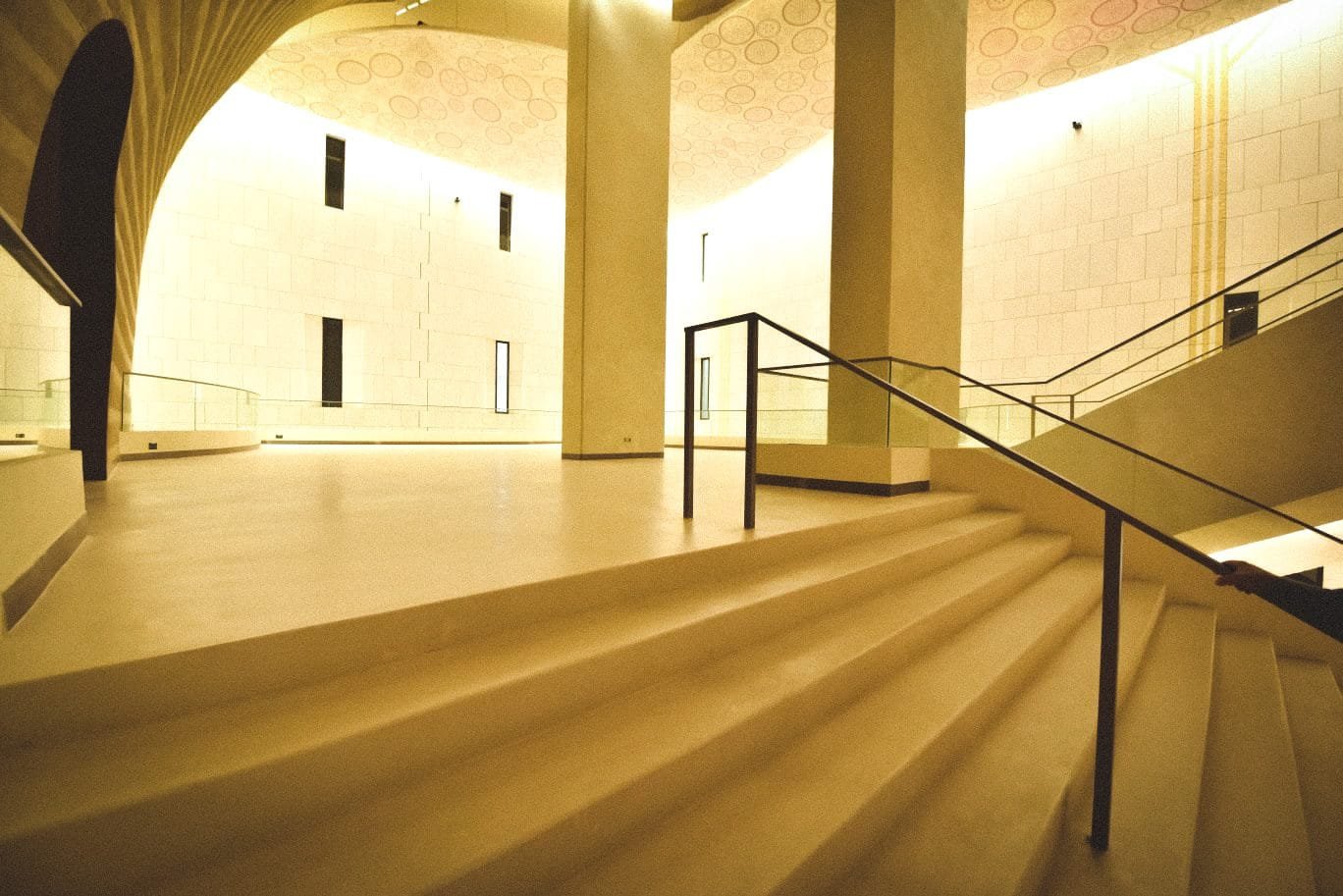
What you gain visually is continuity. A floor with no joints reads as one plane, and it can run up a step and into a wall return without a trim. What you take on in exchange is substrate discipline: the finish is thin, so it follows what is underneath it, and movement in the base will find its way to the surface.
That is why the survey matters more than the material. Existing cracks and joints are treated before anything is applied, and structural and movement joints are carried through the finish rather than plastered over.
In practice
Specify it
Microcement is a durable, low-VOC cement-based finish. It is not a natural or vapour-open material — for that, see clay plaster or lime plaster. Emission and content testing is published by the manufacturer.
View evidence — Cemher VOC emissions certificate (PDF, 0.8 MB)Floors in place
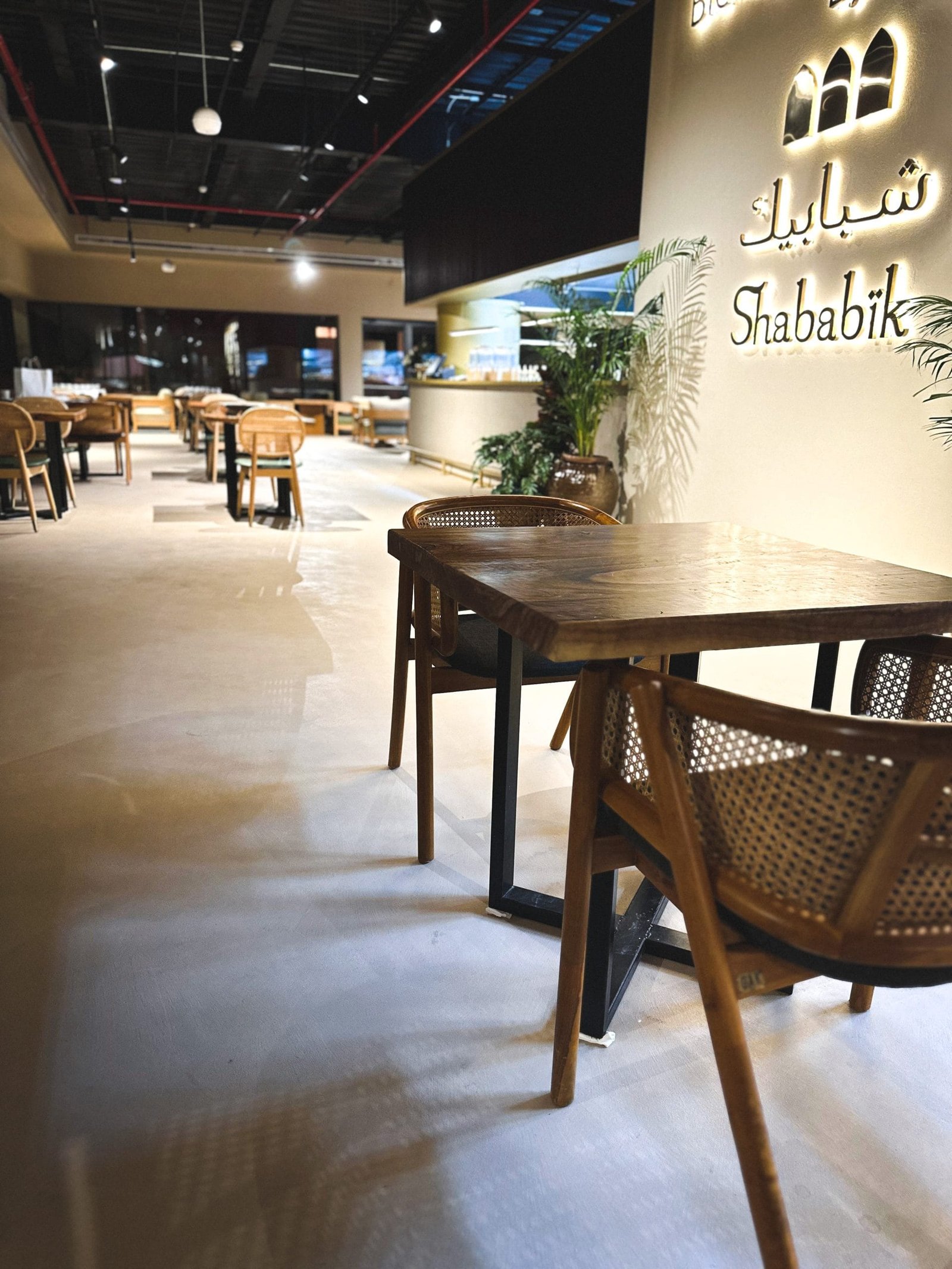
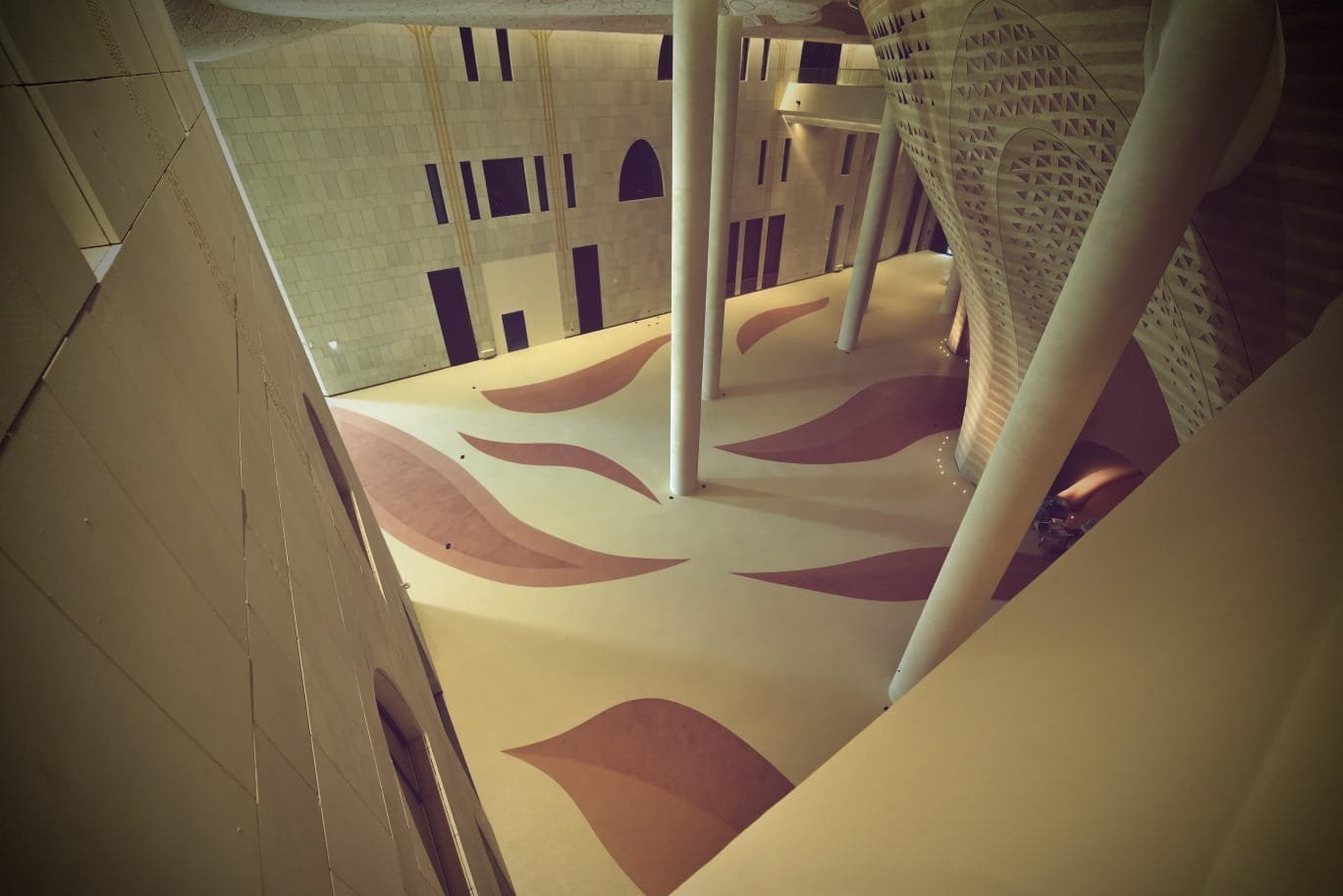
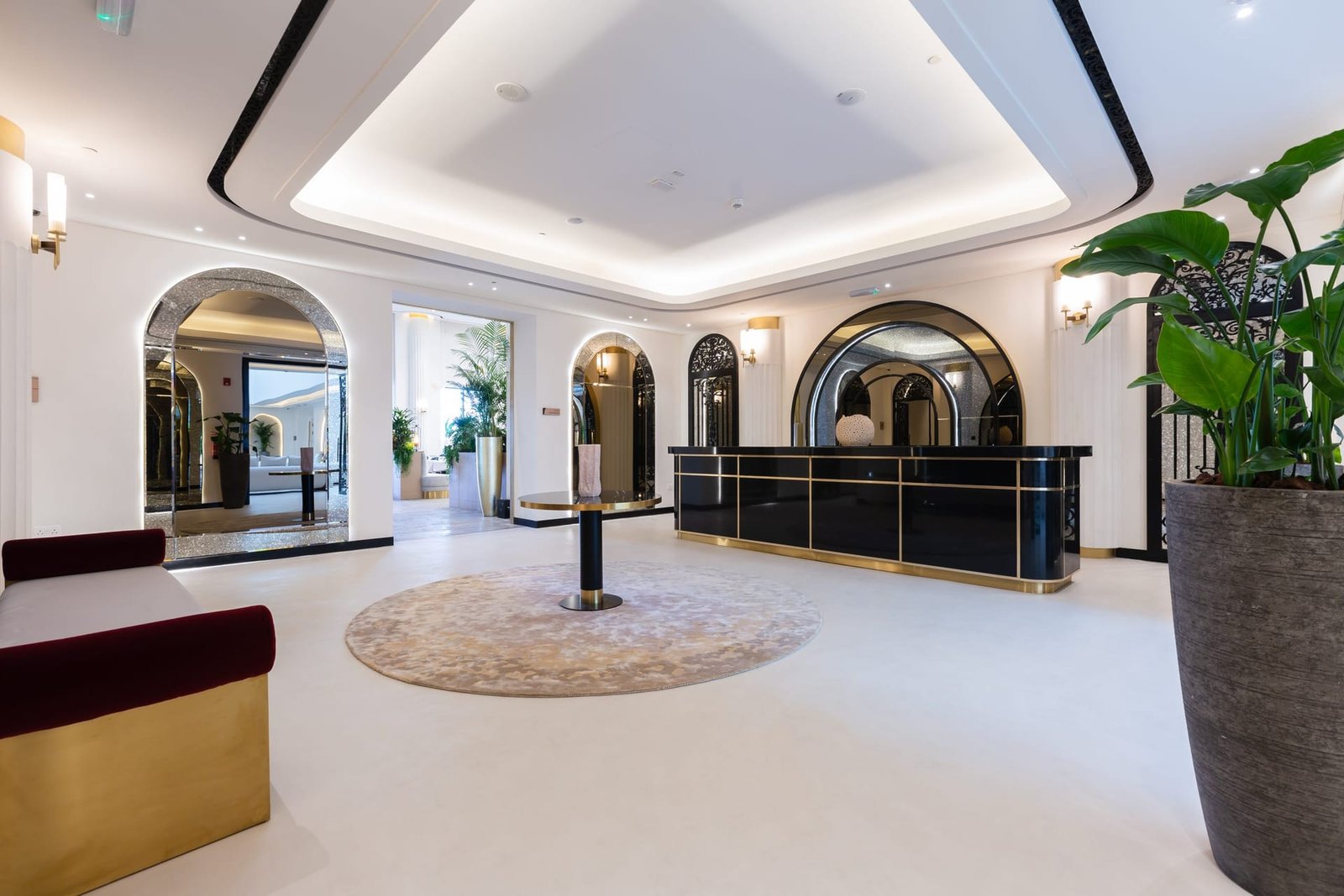
Delivered work, photographed on site. Photography: Earth Layers.
Featured projects
Built with this material, by our own artisans. Open the project for the full set of photographs and the story of the installation.
Technical support for the design team
We supply the material and we apply it, so the specification and the workmanship sit with one party. Send a finishes schedule, an elevation or a mood board and we will come back with the system, the build-up, the sample programme and a completed clause.