 EARTH LAYERS
Send your finishes schedule
EARTH LAYERS
Send your finishes schedule
The material
Most acoustic ceilings solve the sound and then have to be hidden. Mineral fibre tiles, perforated boards and baffles all announce themselves: a grid, a joint, a pattern of holes. Acoustic plaster does the same work and leaves a plain plastered surface.
It is not a coating painted over a hard ceiling. The absorption belongs to the whole build-up — an open-structured board, a sprayed and trowelled plaster over it, and a coating that carries the colour without closing the surface. Sound passes into the assembly instead of reflecting off it.
Styjl build two of these. Fellert Even Better is the hand-applied system: an acoustical board, then a plaster of perlite and recycled cotton fibre. Straight Up is their newer one, installed and finished with the same methods and trades as a drywall ceiling, and designed to be taken down and re-used rather than demolished.
Because the absorption is a property of the assembly, the number moves with the build-up. Board thickness, mounting type, and whether a high-NRC backer board sits behind it each change the published figure. Specify the system, not the finish.
The Fellert Even Better system reaches alphaW 0.95, absorption class A, on the 39 mm board at type A mounting. Straight Up 20 mm reaches NRC 0.95 with the high-NRC backer board. The figures differ by finish and by mounting, and they are published in full.
View evidence — Straight Up 20 mm data sheet (PDF, 1.0 MB)The finished surface is monolithic and non-directional. It runs across a soffit, around a curve and into a wall without a break, which is the reason to choose it over a tile or a baffle in the first place.
The acoustical coating carries the colour and, applied by air-mix spray gun in two light passes, does not reduce the absorption beneath it. It is also how an existing acoustic ceiling is restored rather than replaced. Ordinary paint closes the surface and undoes the acoustics.
View evidence — Acoustical coating data sheet (PDF, 0.2 MB)Straight Up 15 mm is up to 92 per cent recycled material by weight and the 20 mm more than 50 per cent. The Fellert plaster is 40 per cent recycled and its board 60, made from perlite and recycled cotton fibre.
View evidence — Straight Up 15 mm data sheet (PDF, 6.3 MB)Class A to ASTM E84, and B s1d0 or A2 s1d0 to EN 13823 depending on the build-up specified. Light reflectance up to 93 to ASTM 1477, which matters when the ceiling is doing lighting work as well as acoustic work.
View evidence — Straight Up 20 mm data sheet (PDF, 1.0 MB)Lights, sprinklers, diffusers, speakers and access panels are detailed into the ceiling rather than cut through it afterwards. Styjl publish an assembly detail for each condition, and every one of them is in our document library.
The finishes
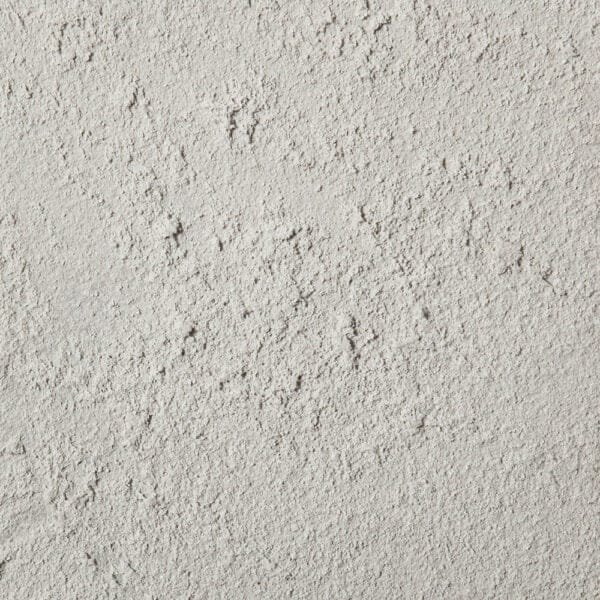
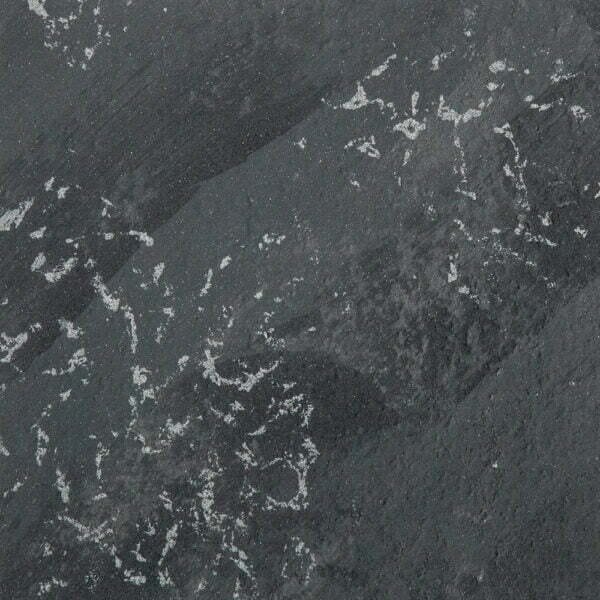
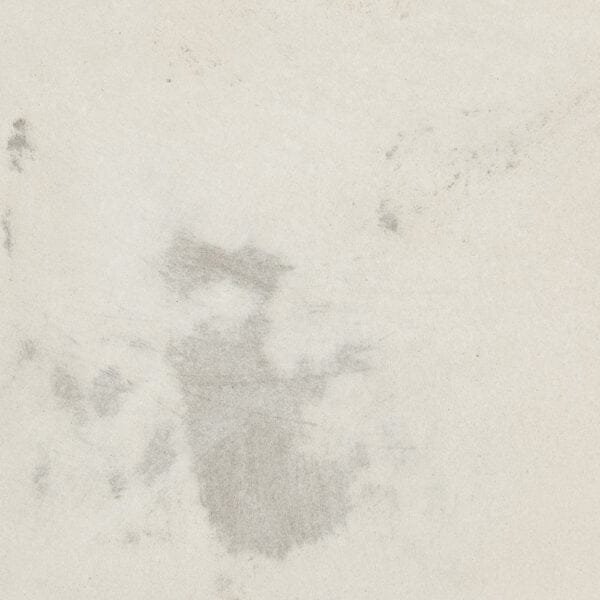
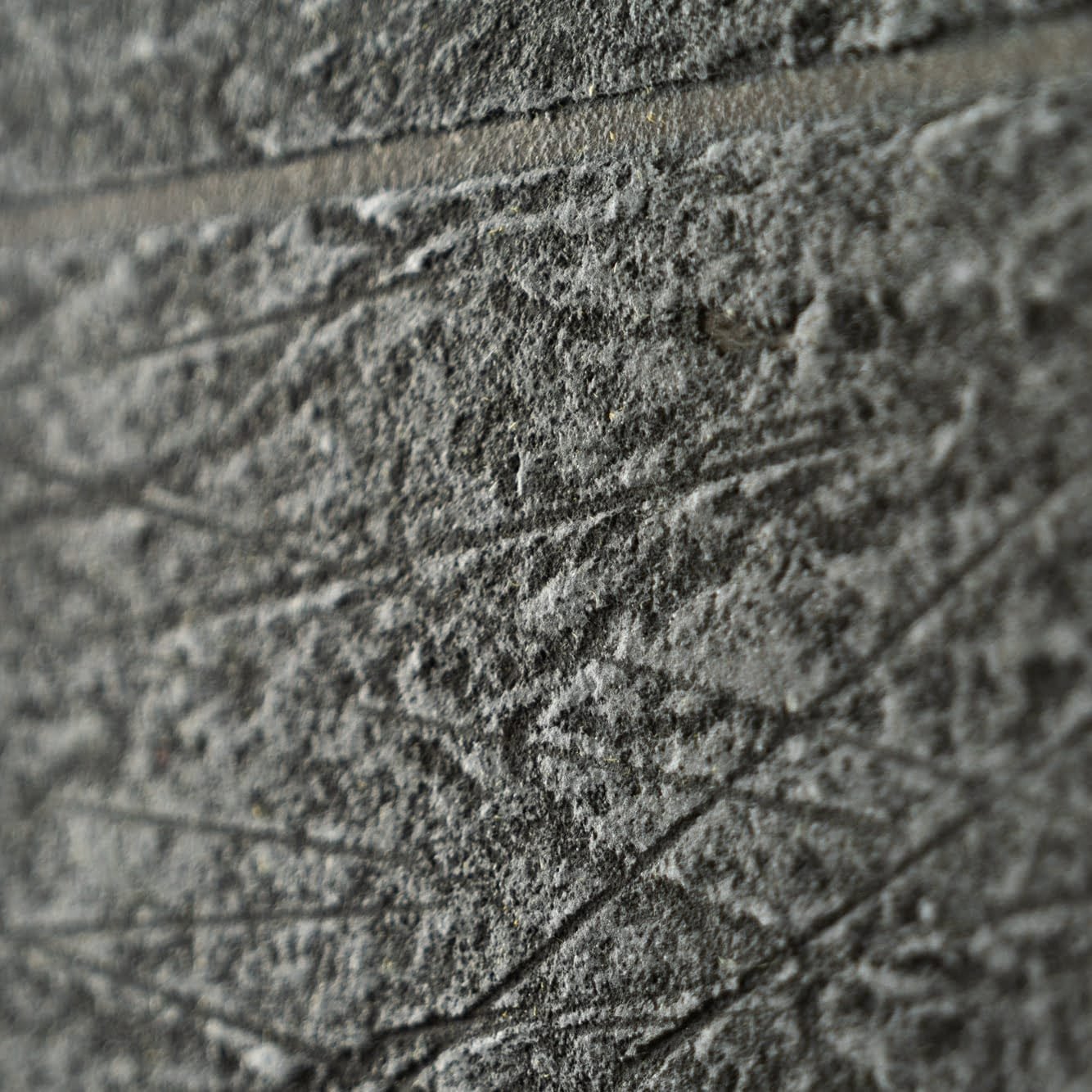
Eight finishes across the Fellert Even Better system. The first four hold their absorption; the decorative finishes trade some of it for appearance, and the figures below say how much. NRC is quoted for the 39 mm board at type A mounting, to ASTM C423.





Styjl reference projects
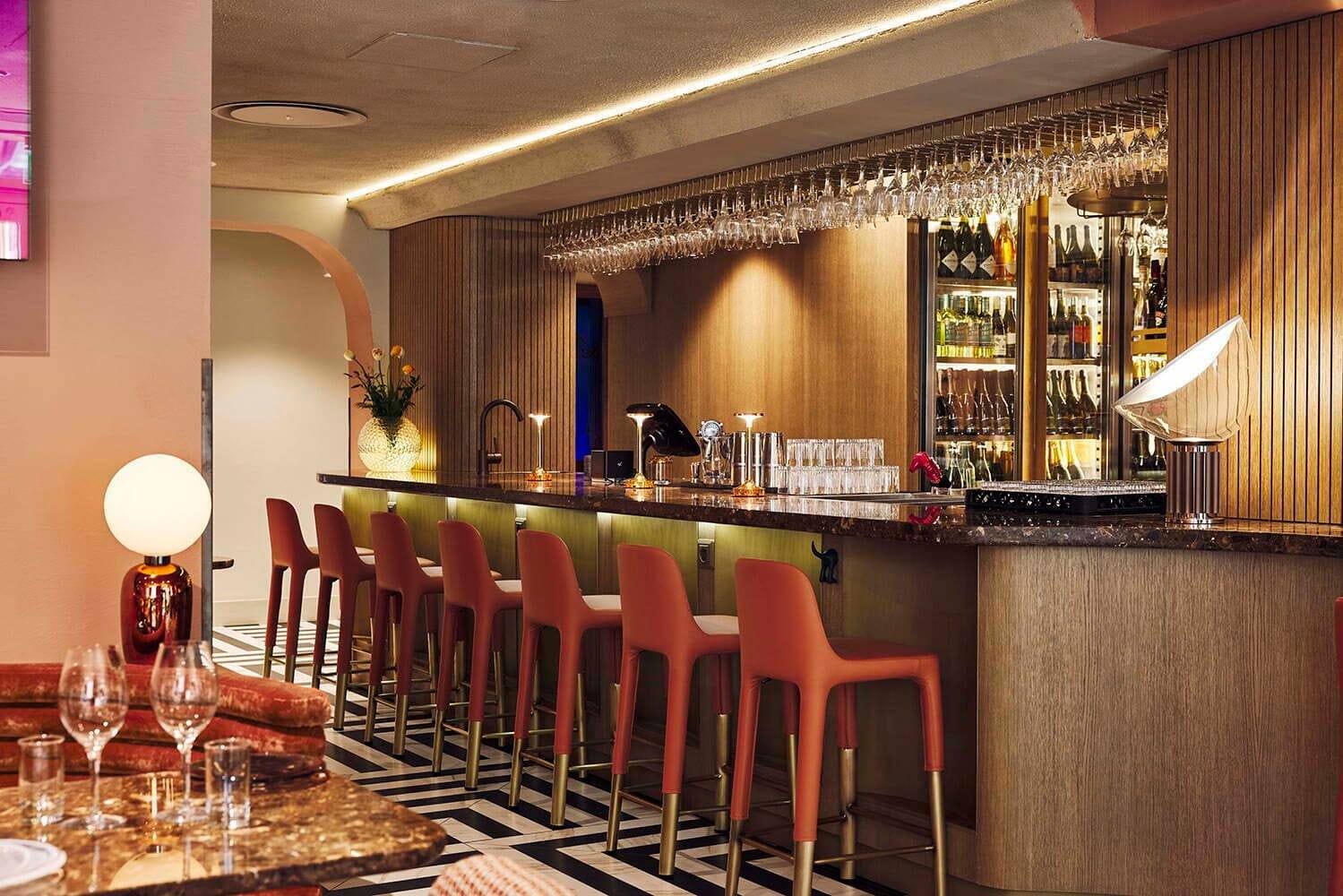
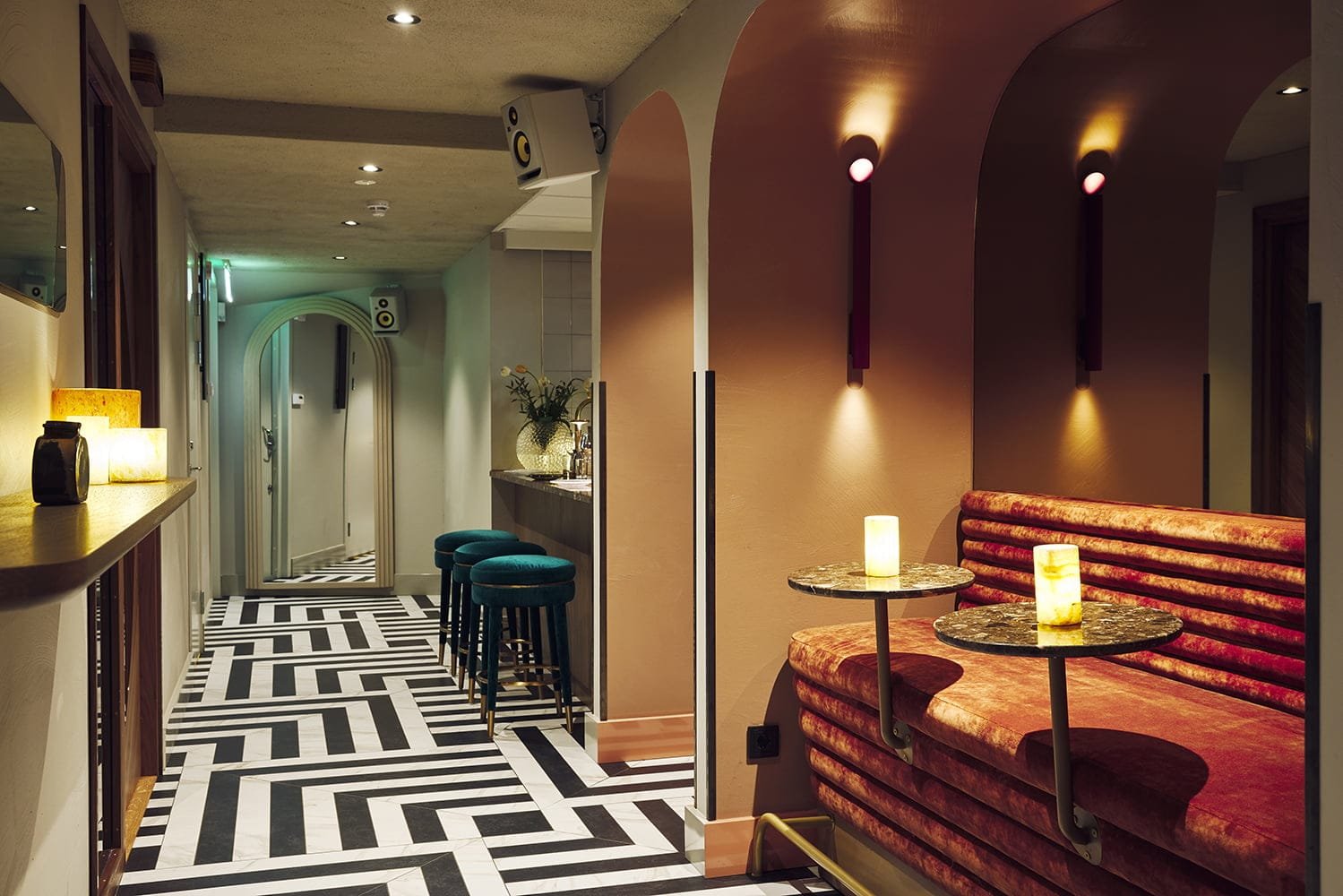
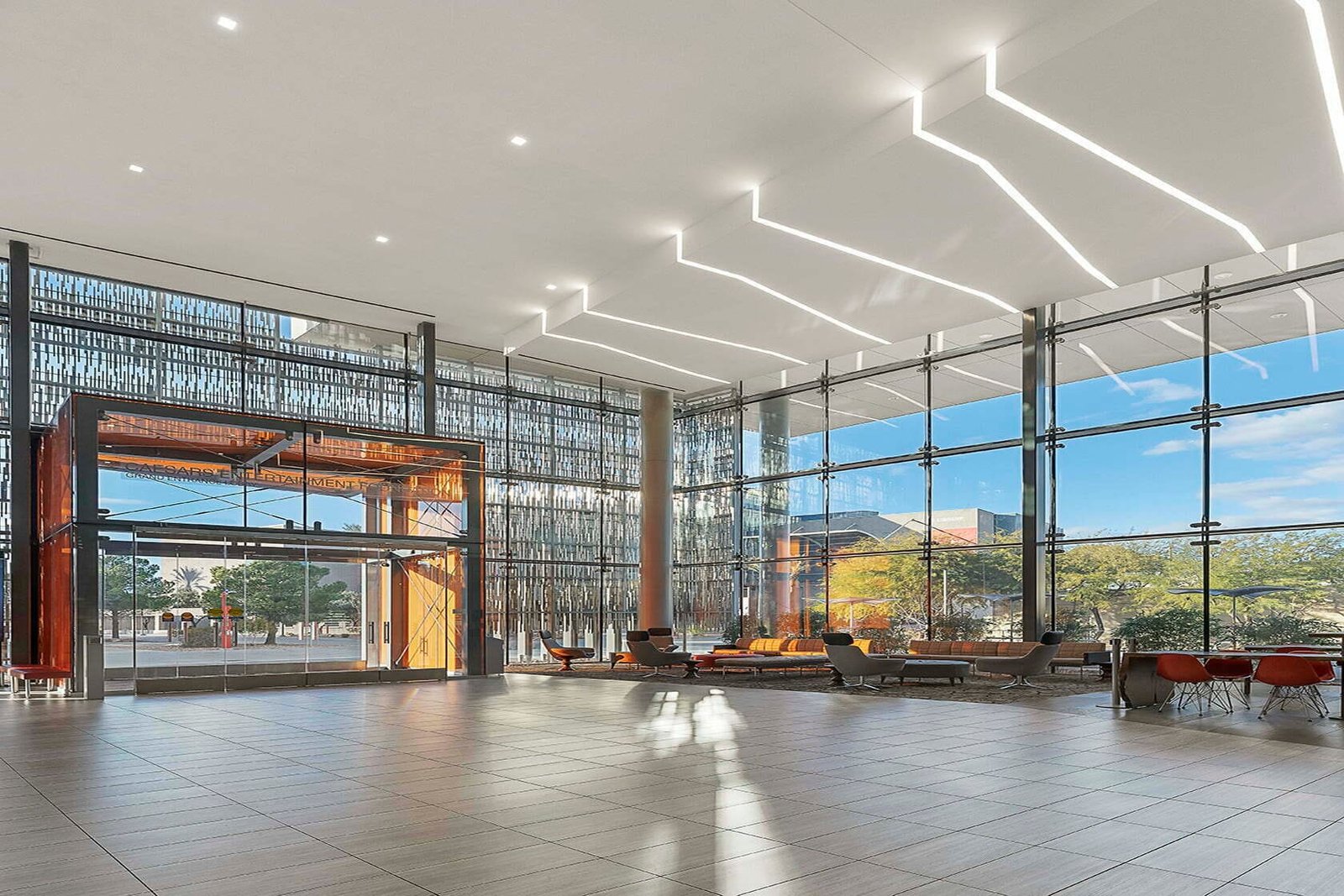
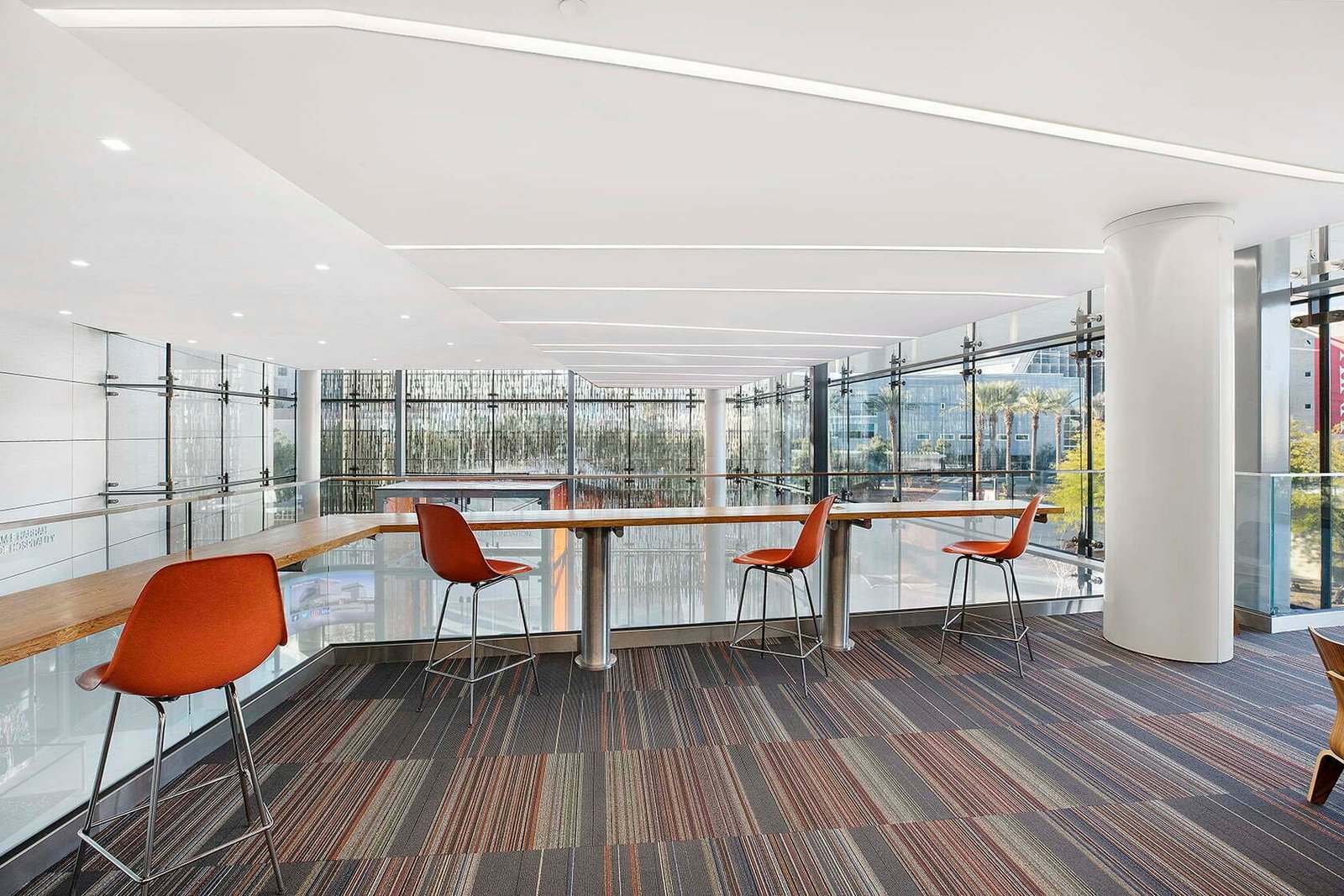
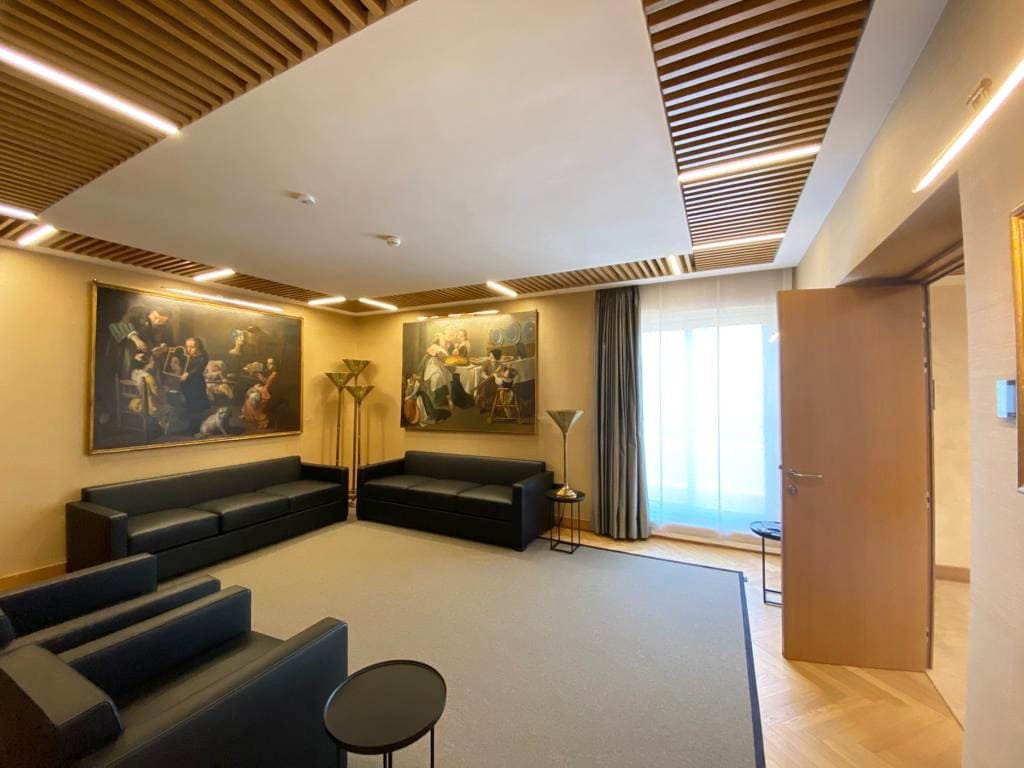
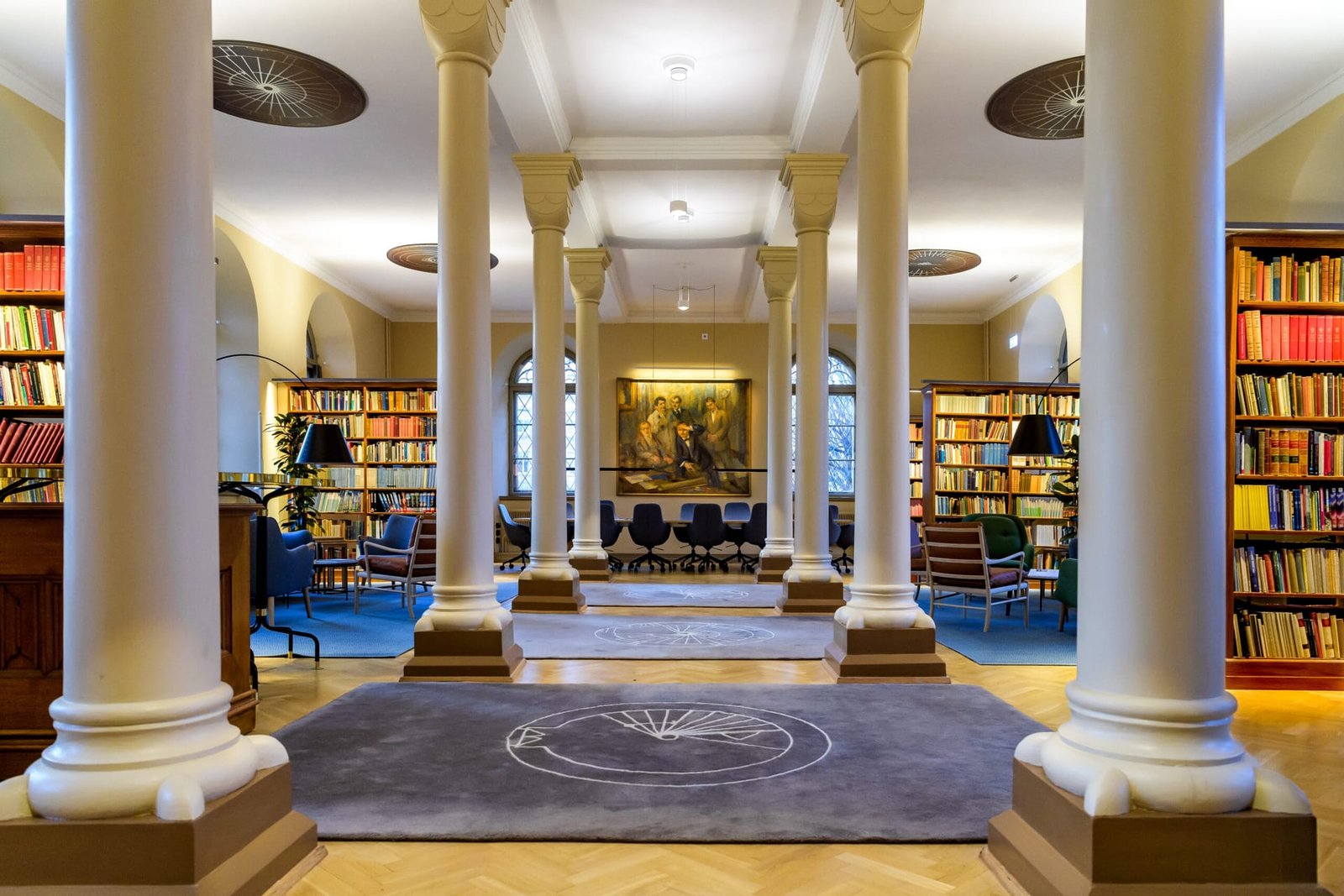
Four buildings in the systems we now hold for this region — a music venue, a university, a central bank and a reading room. These are the manufacturer’s own reference projects, delivered by Styjl and their partners; they are not work our crews carried out. Photography: Styjl.

Where it is specified
Specify it
Acoustic plaster: Styjl [Straight Up 20 mm / Straight Up 15 mm / Fellert Even Better] seamless acoustic ceiling and wall system, board thickness [25 mm / 39 mm], mounting type [A / E200 / E400], with high-NRC backer board where required, finished [Silk / Sahara / Secern / Concrete / New England / Silk Metallic / Marble / Stone] with acoustical coating in colour [ref] to the approved sample panel. Sound absorption not less than NRC [ref] to ASTM C423. Reaction to fire [Class A to ASTM E84 / B s1d0 to EN 13823]. Penetrations and perimeters to the manufacturer's published assembly details. Supply and application by Earth Layers as exclusive Middle East dealer for Styjl.
Square brackets mark the choices that belong to the project. Send us the finishes schedule and we will return the clause completed, with the sample and mock-up programme against it.
Questions specifiers ask
Short answers, restating what this page already sets out. The specification pages carry the data behind each one.
What is acoustic plaster and how does it work?
Acoustic plaster is a seamless finish that absorbs sound across its whole surface and shows no grid, tile or joint. It is not a coating painted over a hard ceiling: the absorption belongs to the whole build-up — an open-structured board, a sprayed and trowelled plaster over it, and a coating that carries the colour. Sound passes into the assembly instead of reflecting off it.
Where can acoustic plaster be used?
Acoustic plaster is specified in lobbies, atria and concourses, museums, galleries and performing arts spaces, corporate interiors and board rooms, schools and lecture spaces where speech clarity is the brief, hospitality and restaurants, retail and shopping malls, and residential ceilings and walls. Because the finished surface is monolithic and non-directional, it runs across a soffit, around a curve and into a wall without a break.
Can you paint an acoustic plaster ceiling?
No — ordinary paint closes the surface and undoes the acoustics. Colour comes instead from the acoustical coating, applied by air-mix spray gun in two light passes, which does not reduce the absorption beneath it. The same coating is how an existing acoustic ceiling is restored rather than replaced, and Special colours are available in any RAL or NCS reference.
How thick is an acoustic plaster ceiling system?
Board thickness depends on the system: Fellert Even Better uses a 25 mm or 39 mm acoustical board, and Straight Up uses 15 mm or 20 mm. The published absorption moves with the build-up — board thickness, mounting type (A, E200 or E400) and whether a high-NRC backer board sits behind it each change the figure — so the system is specified, not just the finish.
Can downlights and sprinklers be installed in an acoustic plaster ceiling?
Yes. Lights, sprinklers, diffusers, speakers and access panels are detailed into the ceiling rather than cut through it afterwards. Styjl publish an assembly detail for each condition, and penetrations and perimeters are specified to the manufacturer's published assembly details. Reference projects show lighting run as continuous lines within the finish and set flush into it rather than cut in afterwards.
Technical support for the design team
We supply the material and we apply it, so the specification and the workmanship sit with one party. Send a finishes schedule, an elevation or a mood board and we will come back with the system, the build-up, the sample programme and a completed clause.