 Cornwall, United Kingdom
Clayworks, from Cornwall to the Gulf
Clayworks makes unfired natural clay plasters in Cornwall, United Kingdom. The clay is blended, coloured and bagged rather than fired, which is why the finished surface stays breathable and carries its colour through the body. The company holds the King's Award for Enterprise 2023.
Earth Layers is Clayworks' sole authorised distributor and approved applicator across the Middle East. We hold the range in Dubai and apply it with our own crews. The artisans are on our payroll and trained on the system, not brought in project by project.
For a specifier that means one party for the whole wall. Material and workmanship sit under a single warranty, so there is no gap between supply and application to argue over when a sample, a substrate condition or a snag needs resolving. One point of contact from mock-up to handover.
clay-works.com →Why clay
Humidity held steady
Clay takes up moisture when a room is damp and releases it when the air dries, helping hold interiors between 40 and 60% RH. In a Gulf climate, where air conditioning swings a room hard, that buffering keeps wall surfaces and occupants more comfortable.
Colour through the body
The colour is in the clay itself, not a coat sitting on top of it. A knock or a scuff shows the same colour underneath, and repairs blend into the wall rather than patching over it. Clayworks references run from Nude NUD-01 and White WHI-07 to Terracotta TER-03.
Nothing to off-gas
The plasters are mineral and unfired, with no solvents or plastic binders to release into the room after handover. Walls are ready to live with straight away, which matters in bedrooms, clinics, schools and any space that is occupied all day.
Support for green ratings
Clay plaster contributes to WELL, LEED and Mostadam submissions through material health, low emissions and indoor comfort criteria. The documentation library below carries the data sheets your consultant will ask for at submittal stage.
The range
Four classic interior finishes, a wet-area finish, a rammed earth look for interior walls, and a dedicated exterior system. Every one of them is held in the region and applied by our own artisans.
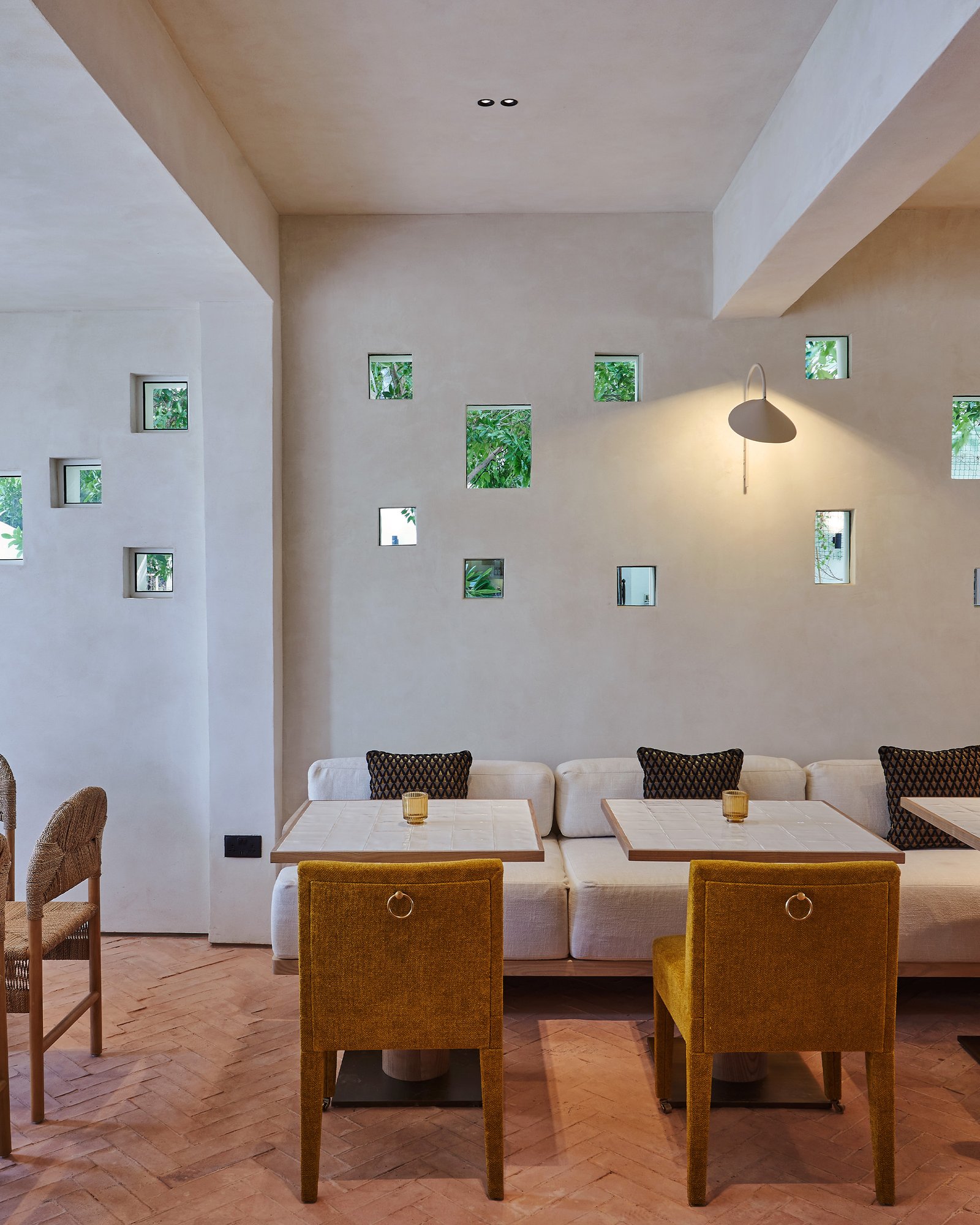 Smooth clay plaster
The quietest of the Clayworks classic finishes. A flat, even mineral surface that reads as depth of colour rather than texture, trowelled tight so the movement sits in the pigment and not in the relief.
Smooth clay plaster
The quietest of the Clayworks classic finishes. A flat, even mineral surface that reads as depth of colour rather than texture, trowelled tight so the movement sits in the pigment and not in the relief.
 Demi Rustic clay plaster
The middle register of the Clayworks range: more aggregate and more trowel movement than Smooth, but still a disciplined wall. The marks read as worked material rather than applied texture.
Demi Rustic clay plaster
The middle register of the Clayworks range: more aggregate and more trowel movement than Smooth, but still a disciplined wall. The marks read as worked material rather than applied texture.
 Rustic clay plaster
The most open of the three Clayworks classics. Coarse aggregate is left proud and the trowel worked loosely, so the wall carries genuine relief — hand-made at arm's length, texture across a room.
Rustic clay plaster
The most open of the three Clayworks classics. Coarse aggregate is left proud and the trowel worked loosely, so the wall carries genuine relief — hand-made at arm's length, texture across a room.
 Tonal clay plaster
Colour that moves across a wall rather than sitting flat on it. Tonal is graded by hand in a single pass, so the transition is decided on the wall itself, not in the factory.
Tonal clay plaster
Colour that moves across a wall rather than sitting flat on it. Tonal is graded by hand in a single pass, so the transition is decided on the wall itself, not in the factory.
 Tadelakt
The finish that goes where clay plaster cannot. Lime and clay, compressed with stone and sealed with olive soap, for bathrooms, hammams and showers across Dubai and the UAE.
Tadelakt
The finish that goes where clay plaster cannot. Lime and clay, compressed with stone and sealed with olive soap, for bathrooms, hammams and showers across Dubai and the UAE.
 Rammed earth finish
A clay plaster laid in compacted bands at 7-10 mm, so an interior wall reads as rammed earth without carrying its weight. Sixteen texture studies sit in the sample library, running cream through ochre to terracotta.
Rammed earth finish
A clay plaster laid in compacted bands at 7-10 mm, so an interior wall reads as rammed earth without carrying its weight. Sixteen texture studies sit in the sample library, running cream through ochre to terracotta.
 Exterior clay plaster
A dedicated exterior clay system for facades and garden walls — a different product from the interior plasters, not the interior plaster used outside. Exterior Demi-Rustic, Exterior Rustic, and a Tamped Earth custom effect.
Custom finishes
Twenty-one effects, from hand carved to gold fleck.
See them all →
Exterior clay plaster
A dedicated exterior clay system for facades and garden walls — a different product from the interior plasters, not the interior plaster used outside. Exterior Demi-Rustic, Exterior Rustic, and a Tamped Earth custom effect.
Custom finishes
Twenty-one effects, from hand carved to gold fleck.
See them all →
Custom finishes
Custom finishes are the part of the range where texture is designed for a project rather than chosen from a shelf. We start from a drawing, a reference or a material sample, then make control panels on site in the specified Clayworks colour — Nude NUD-01, White WHI-07, Terracotta TER-03 — and adjust depth, direction and grain until the wall reads the way the design intends. Every finish below is for interior walls and ceilings, applied by our own crews.
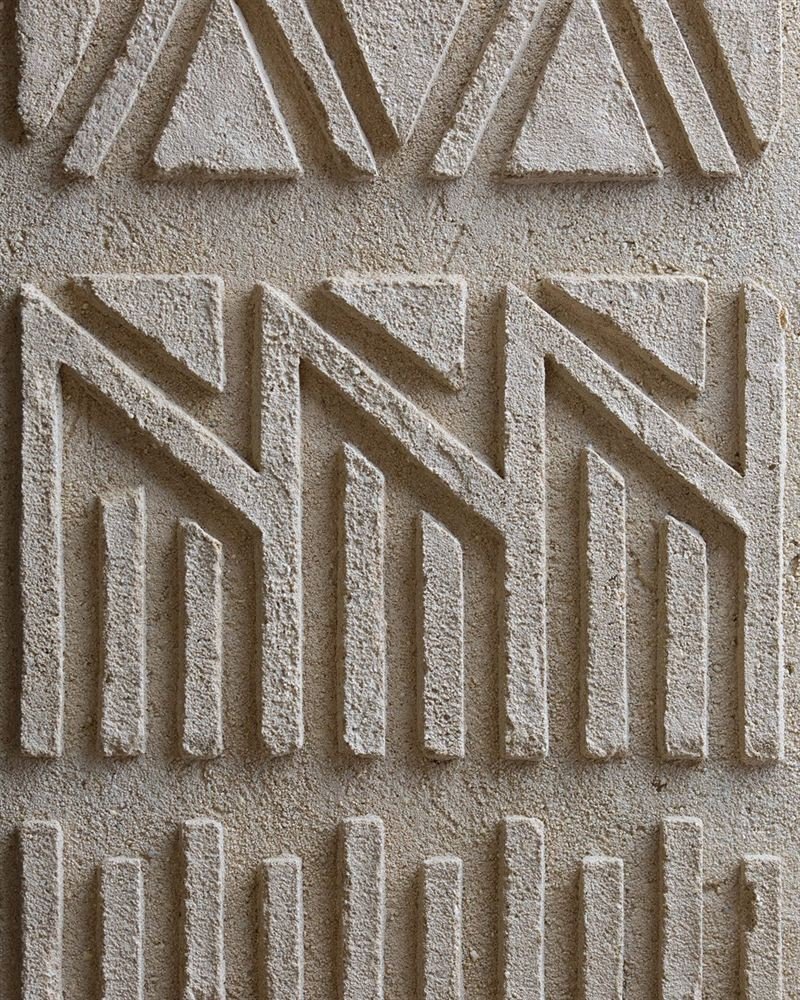 Anaglyptic
Raised relief worked into the clay, echoing embossed Victorian wallcoverings. The pattern reads through shadow and raking light rather than colour.
Anaglyptic
Raised relief worked into the clay, echoing embossed Victorian wallcoverings. The pattern reads through shadow and raking light rather than colour.
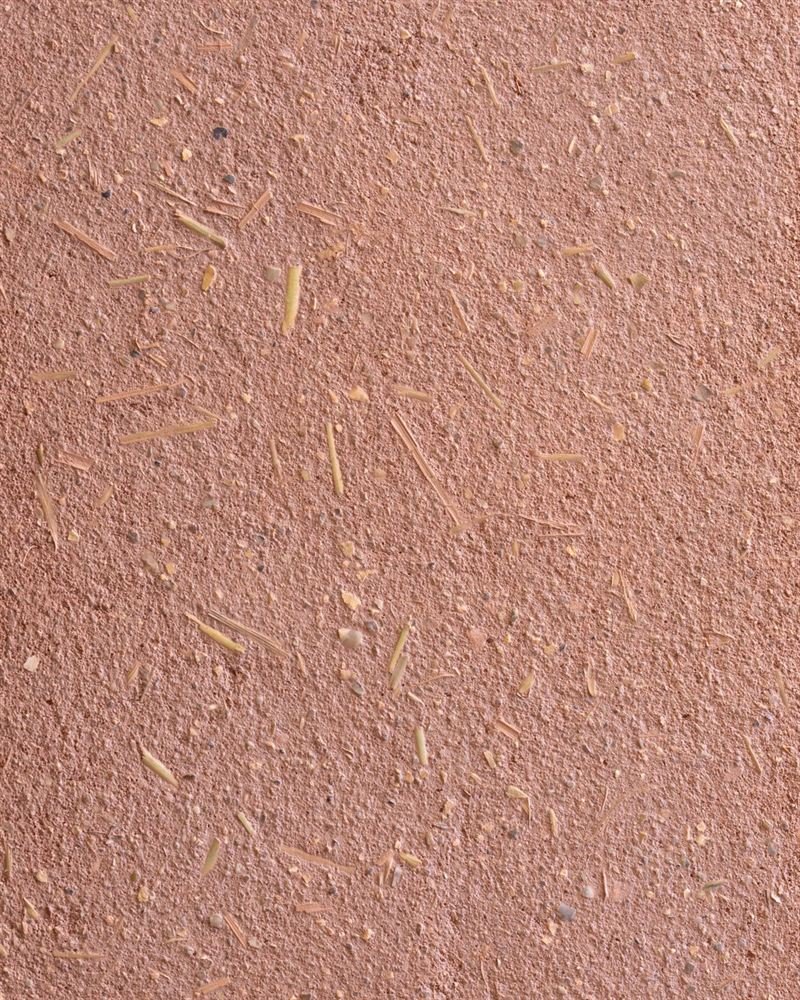 Arakabe
A Japanese-influenced coat with chopped straw left visible in the surface, giving a matt, fibrous field that reads warm and quiet.
Arakabe
A Japanese-influenced coat with chopped straw left visible in the surface, giving a matt, fibrous field that reads warm and quiet.
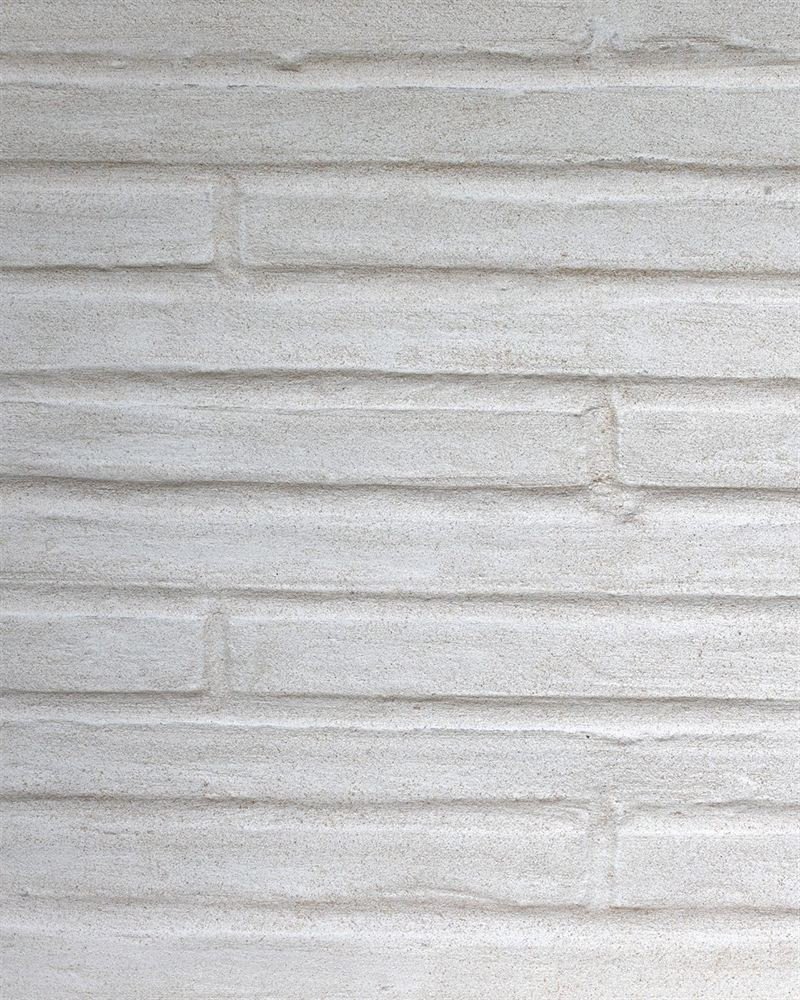 Clay on Brick
Clay skimmed thinly over brickwork so the bond pattern and mortar joints stay legible beneath a soft, even mineral surface.
Clay on Brick
Clay skimmed thinly over brickwork so the bond pattern and mortar joints stay legible beneath a soft, even mineral surface.
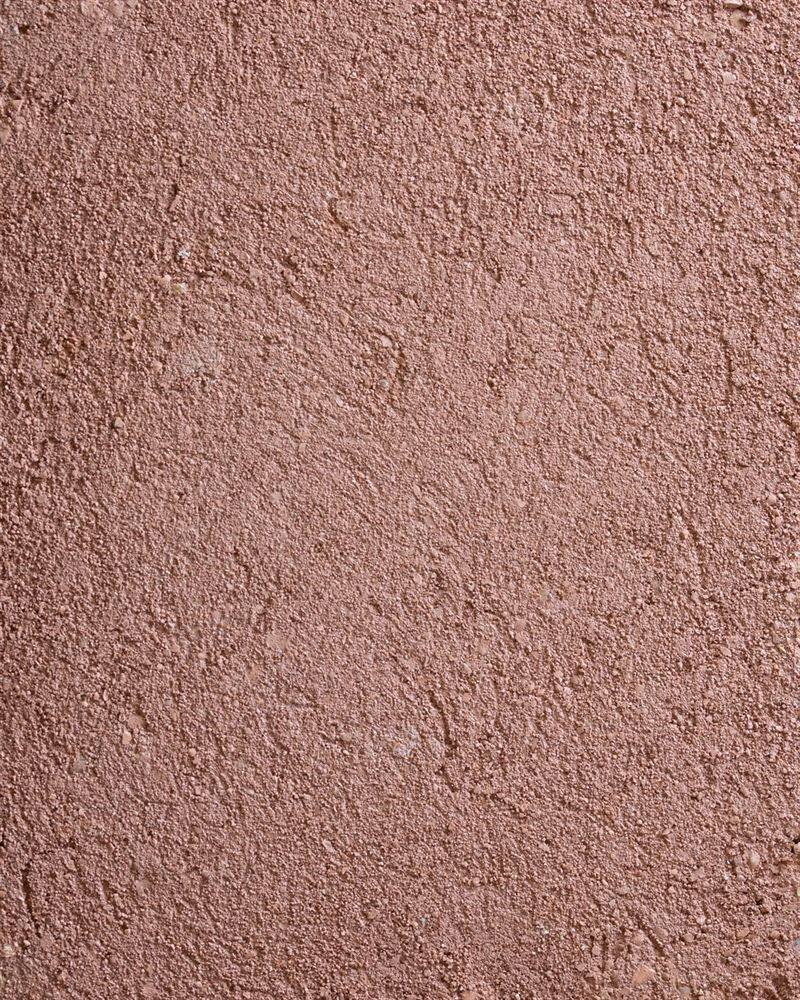 Coarse Rustic
Large aggregate left proud in an open, granular surface. Grit and shadow at close range, a calm even tone across a room.
Coarse Rustic
Large aggregate left proud in an open, granular surface. Grit and shadow at close range, a calm even tone across a room.
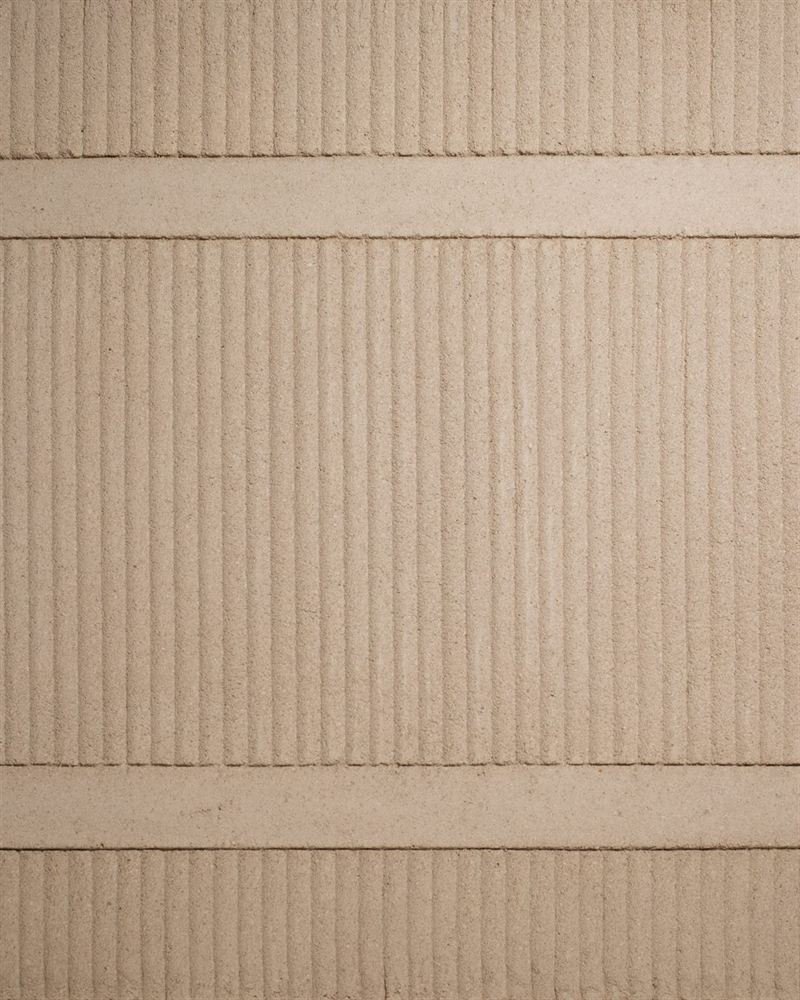 Corduroy
Fine parallel ridges run the height of the wall, catching light in narrow lines and reading as stripe without any colour change.
Corduroy
Fine parallel ridges run the height of the wall, catching light in narrow lines and reading as stripe without any colour change.
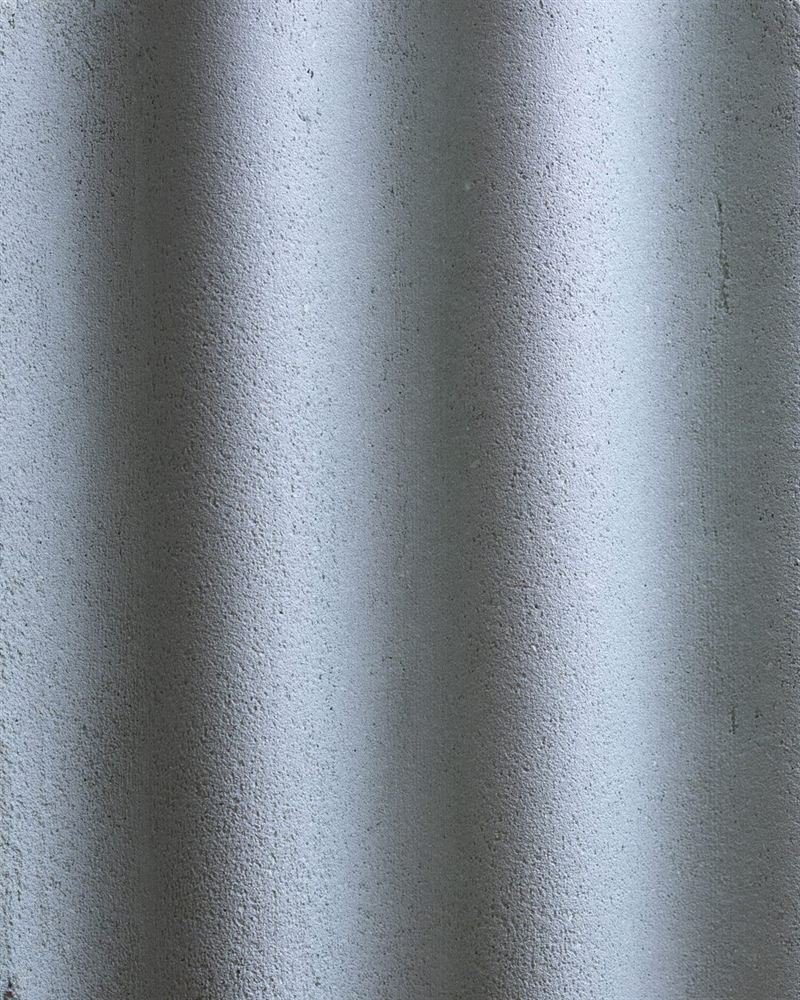 Corrugated
Deeper, regular waves pressed into the clay. A stronger rhythm than corduroy, with real shadow depth over long wall runs.
Corrugated
Deeper, regular waves pressed into the clay. A stronger rhythm than corduroy, with real shadow depth over long wall runs.
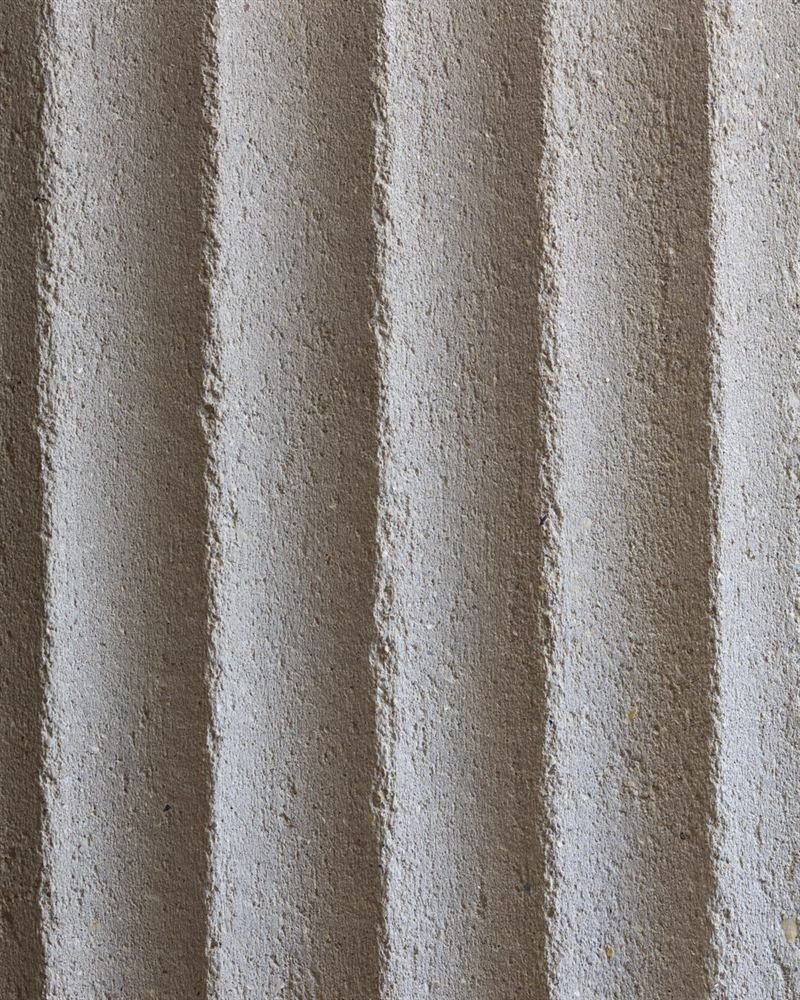 Fluted
Rounded vertical channels formed in a thicker clay build, giving classical fluting in a matt mineral surface rather than joinery.
Fluted
Rounded vertical channels formed in a thicker clay build, giving classical fluting in a matt mineral surface rather than joinery.
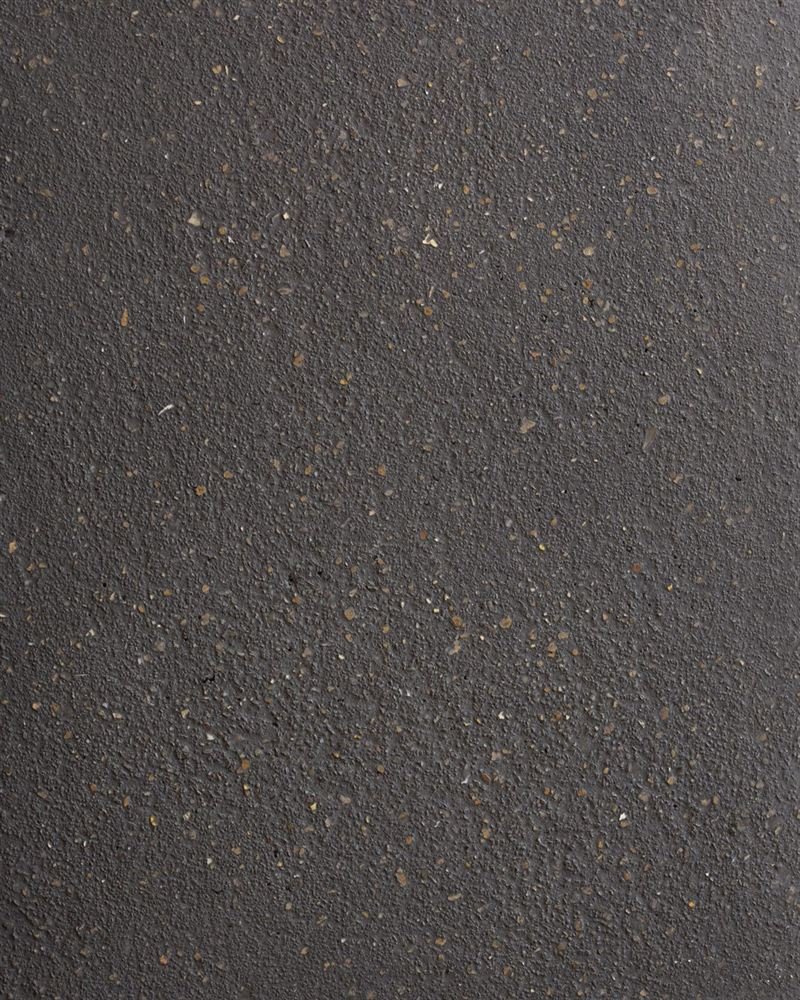 Gold Fleck
Fine metallic flecks suspended through the clay body. Restrained in flat daylight, they lift only where light strikes at an angle.
Gold Fleck
Fine metallic flecks suspended through the clay body. Restrained in flat daylight, they lift only where light strikes at an angle.
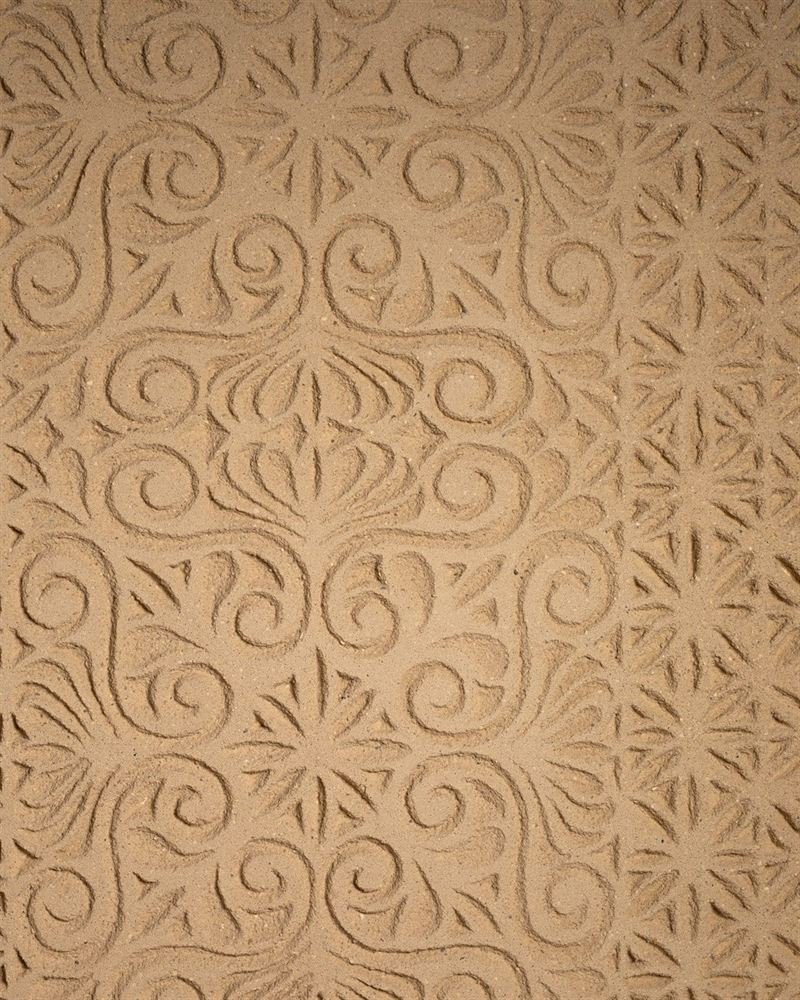 Hand Carved
Relief carved into the plaster by hand while it is still workable. Each panel is drawn for the project and never repeats exactly.
Hand Carved
Relief carved into the plaster by hand while it is still workable. Each panel is drawn for the project and never repeats exactly.
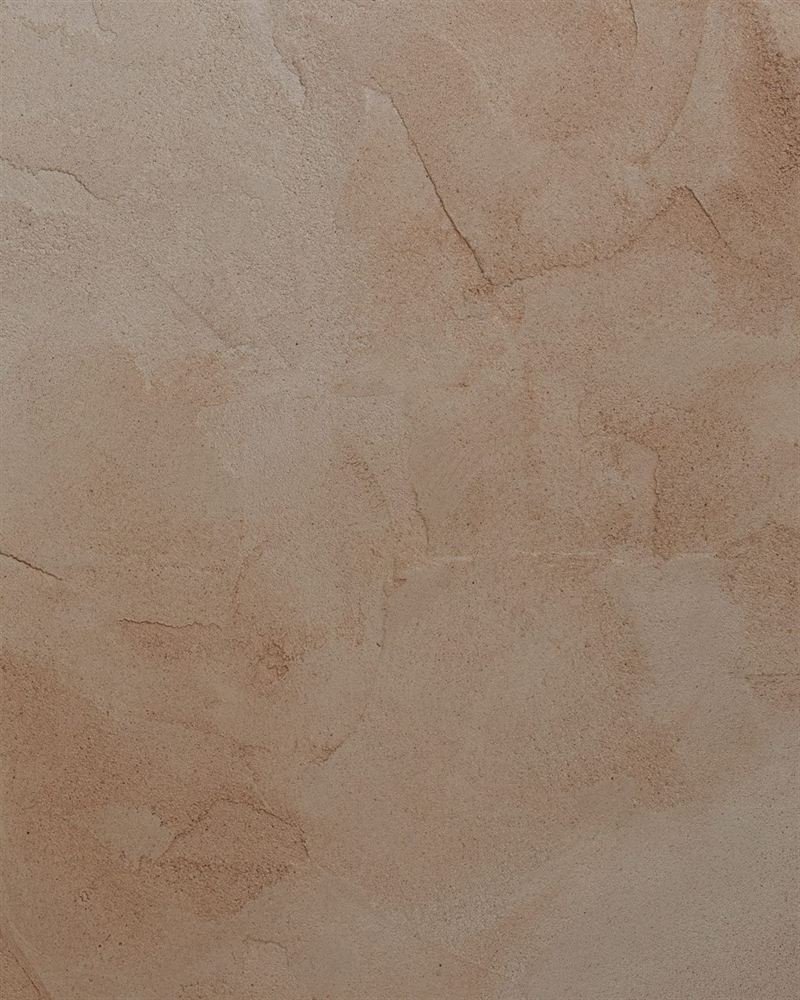 Heavy Skip
Heavily skipped trowel work leaves raised islands over a flatter ground: coarse, irregular texture with strong directional shadow.
Heavy Skip
Heavily skipped trowel work leaves raised islands over a flatter ground: coarse, irregular texture with strong directional shadow.
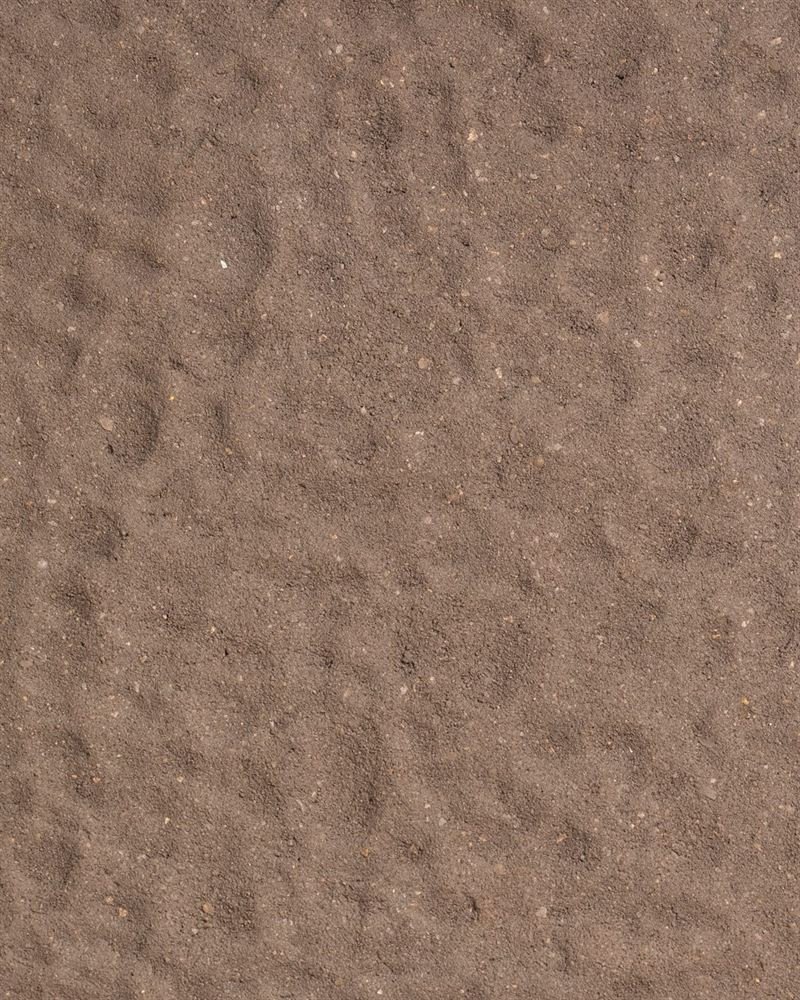 Moonscape
A cratered field of shallow hollows and ridges. Dramatic under grazing light, close to flat when the room is lit diffusely.
Moonscape
A cratered field of shallow hollows and ridges. Dramatic under grazing light, close to flat when the room is lit diffusely.
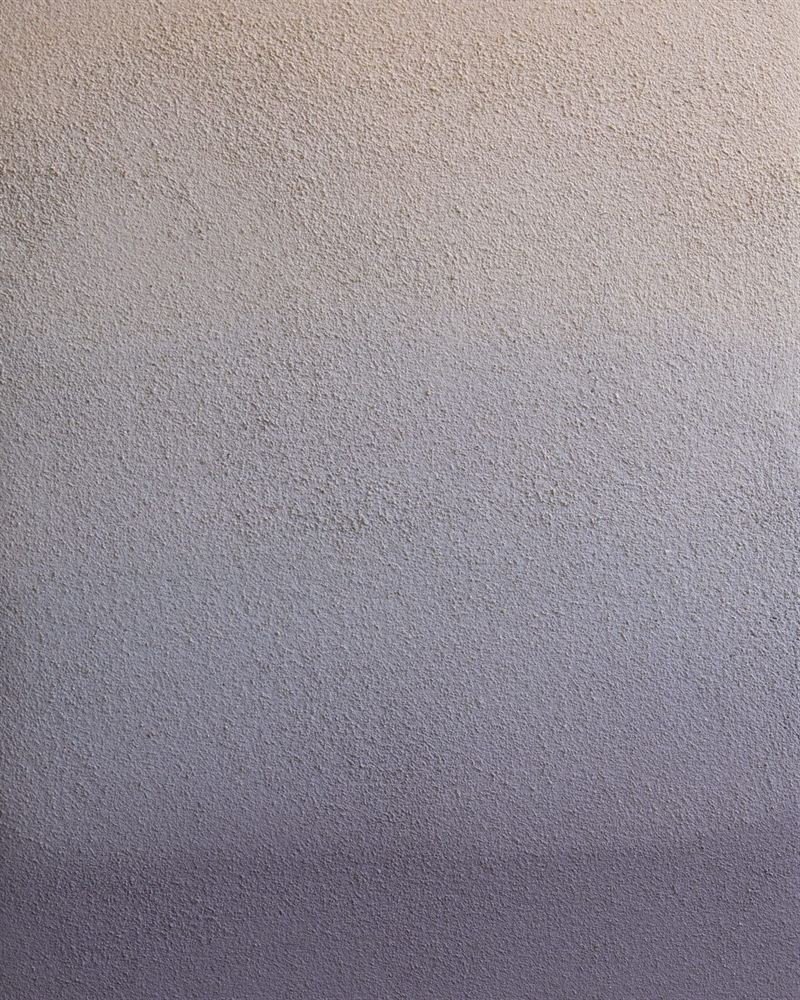 Ombre Colour
A gradual shift from one clay colour into another across a wall, blended while wet so no join or banding is visible.
Ombre Colour
A gradual shift from one clay colour into another across a wall, blended while wet so no join or banding is visible.
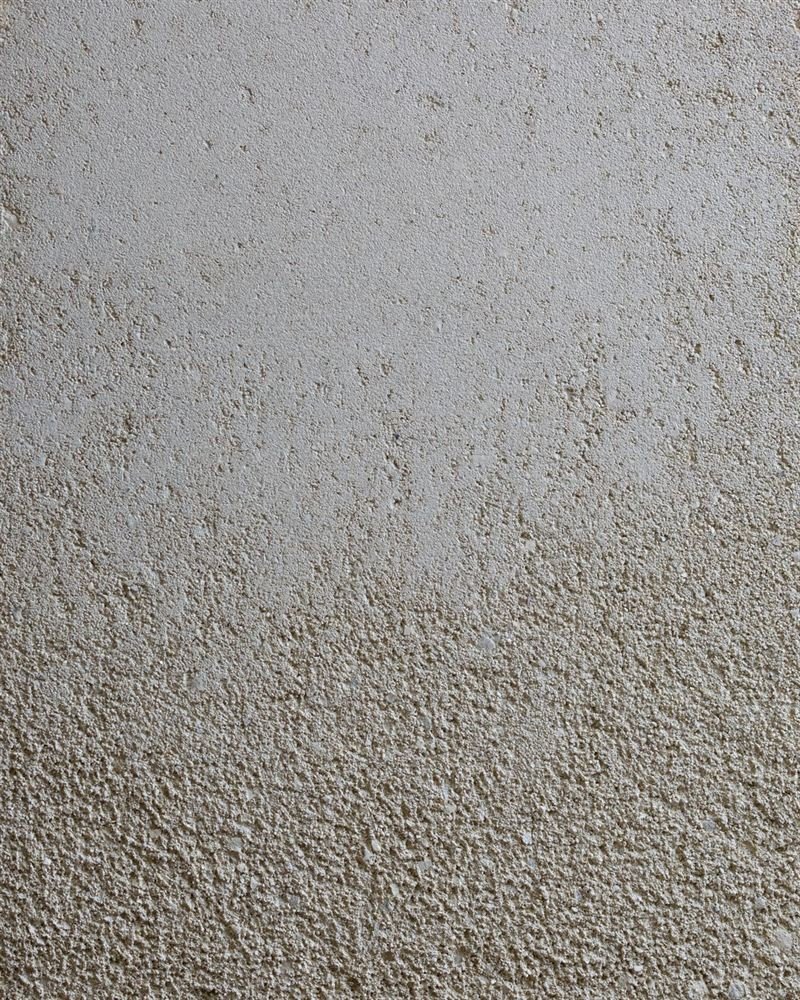 Ombre Texture
One colour throughout, with texture graded from smooth to coarse across the wall so the change reads only in shadow.
Ombre Texture
One colour throughout, with texture graded from smooth to coarse across the wall so the change reads only in shadow.
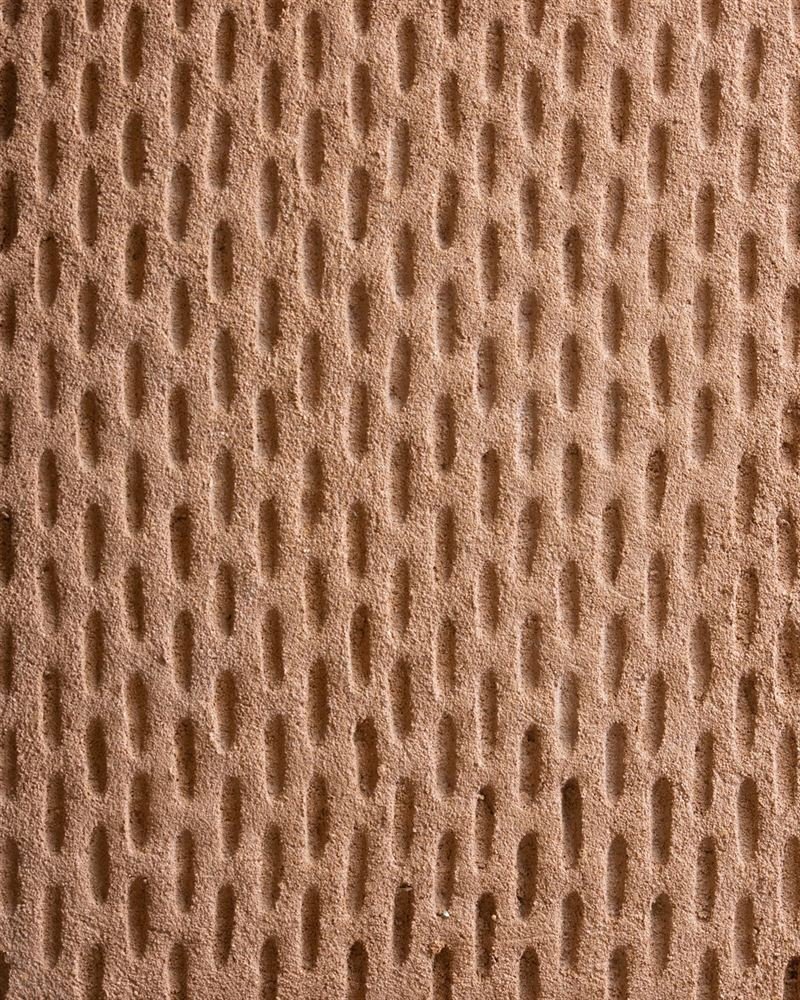 Pitted
Small irregular pocks opened across an otherwise even surface, a quiet texture that adds depth without breaking the wall plane.
Pitted
Small irregular pocks opened across an otherwise even surface, a quiet texture that adds depth without breaking the wall plane.
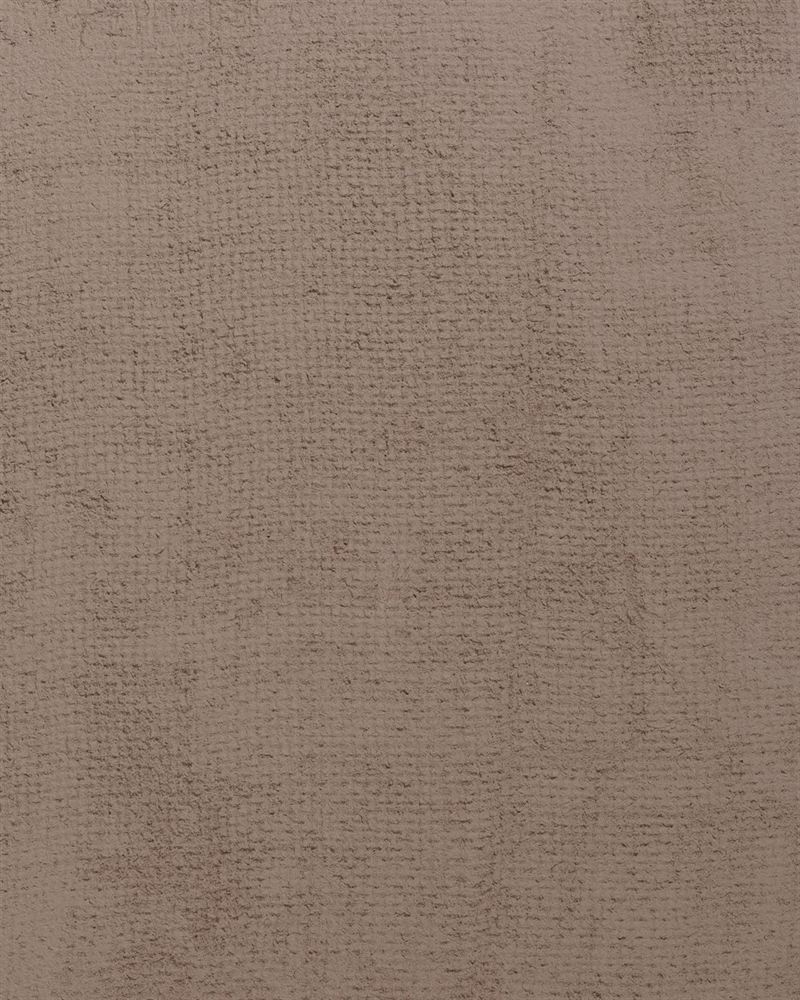 Pressed Linen
The weave of linen pressed into fresh clay, leaving a fine woven grain that softens light across large flat areas.
Pressed Linen
The weave of linen pressed into fresh clay, leaving a fine woven grain that softens light across large flat areas.
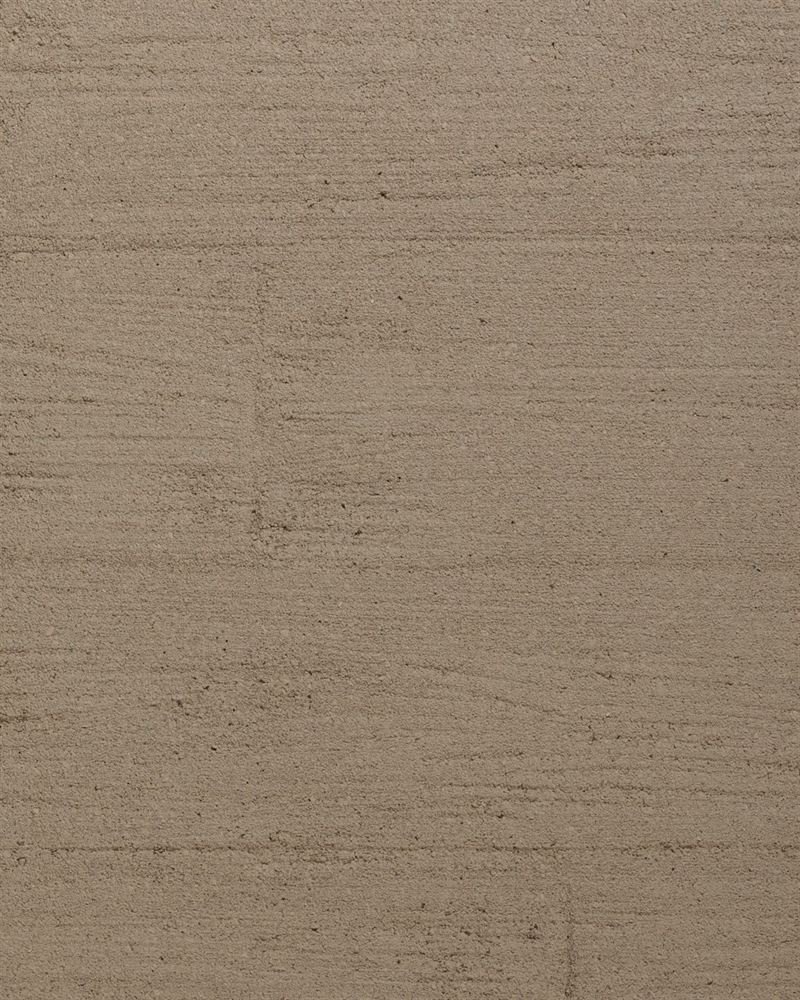 Pressed Timber
Sawn timber grain and board edges pressed into the clay, holding the memory of shuttering in a mineral surface.
Pressed Timber
Sawn timber grain and board edges pressed into the clay, holding the memory of shuttering in a mineral surface.
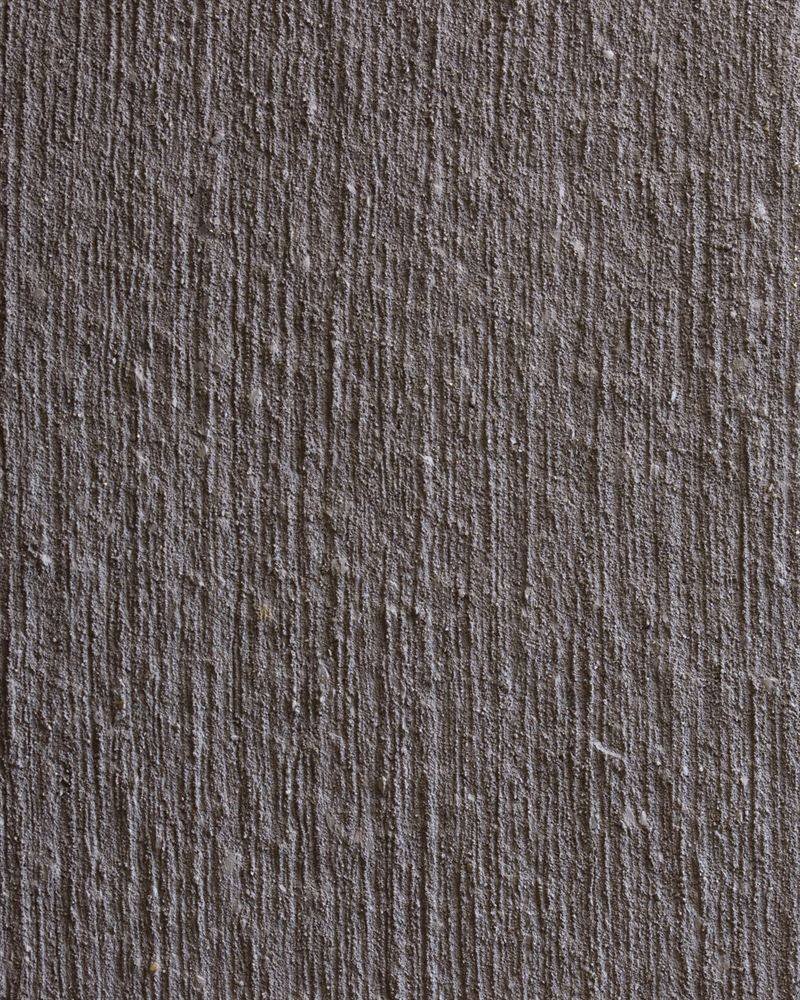 Raked
Combed lines drawn through the surface while soft. Direction, spacing and depth are set for the wall rather than standardised.
Raked
Combed lines drawn through the surface while soft. Direction, spacing and depth are set for the wall rather than standardised.
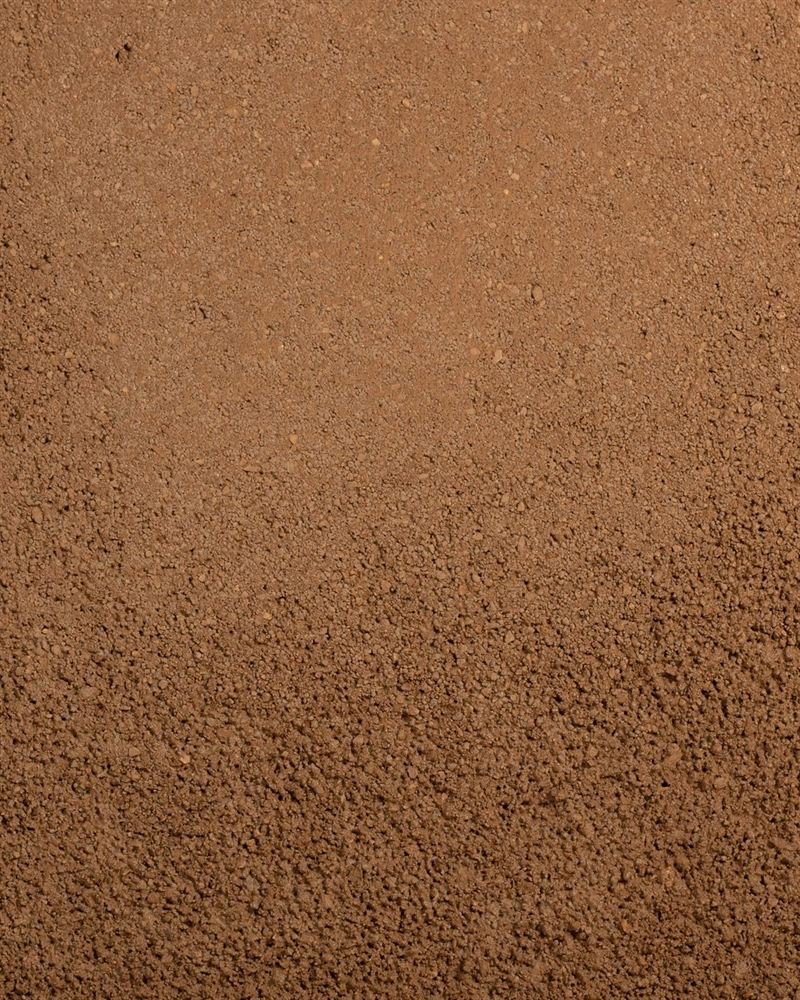 Tamped Earth
Compacted layered courses that recall rammed earth, with faint horizontal lifts and a dry, matt, mineral face.
Tamped Earth
Compacted layered courses that recall rammed earth, with faint horizontal lifts and a dry, matt, mineral face.
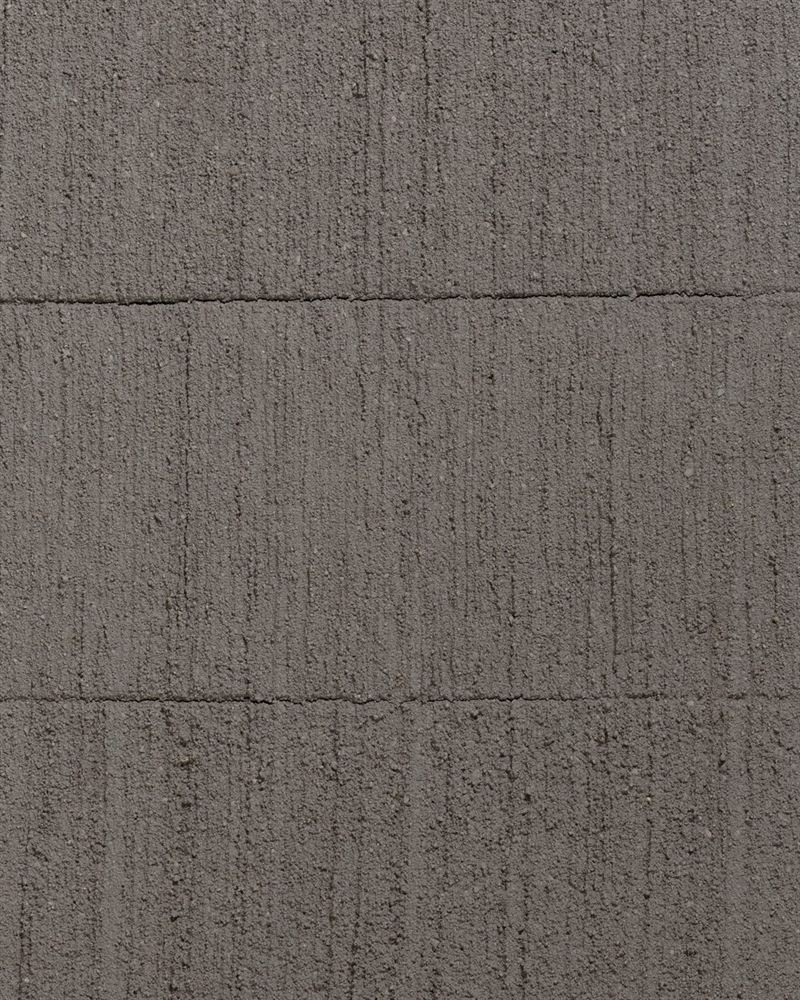 Thatched
Long directional strokes laid in overlapping passes to suggest thatch. Texture is strongest where each pass meets the next.
Thatched
Long directional strokes laid in overlapping passes to suggest thatch. Texture is strongest where each pass meets the next.
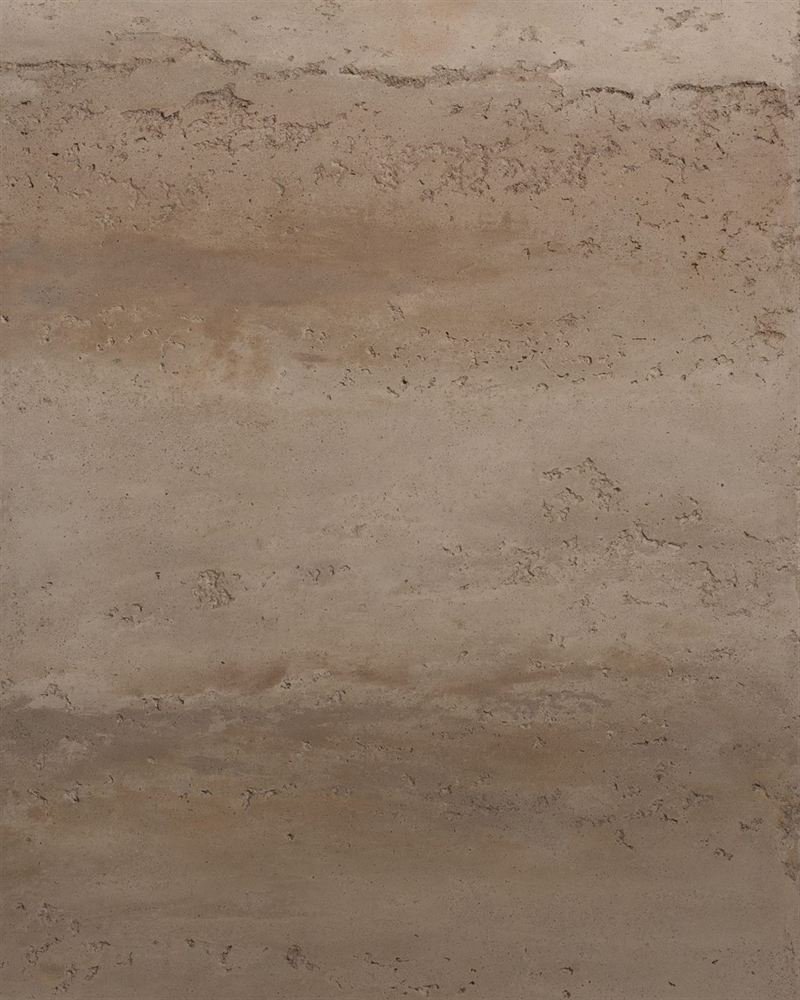 Travertine Effect
Open voids and soft banding worked into the clay to read as cut travertine, warm and matt, without the weight of stone.
Travertine Effect
Open voids and soft banding worked into the clay to read as cut travertine, warm and matt, without the weight of stone.
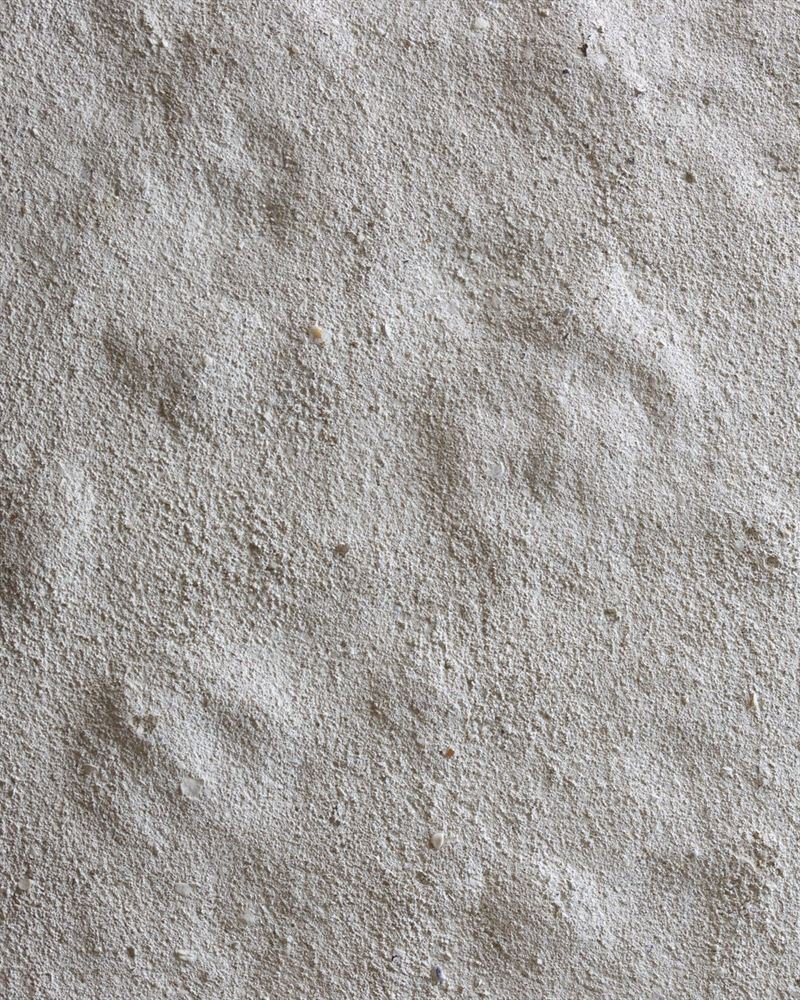 Undulating
Gentle swells and hollows built into the plaster so the wall plane moves slowly, most visible in low, raking light.
Undulating
Gentle swells and hollows built into the plaster so the wall plane moves slowly, most visible in low, raking light.
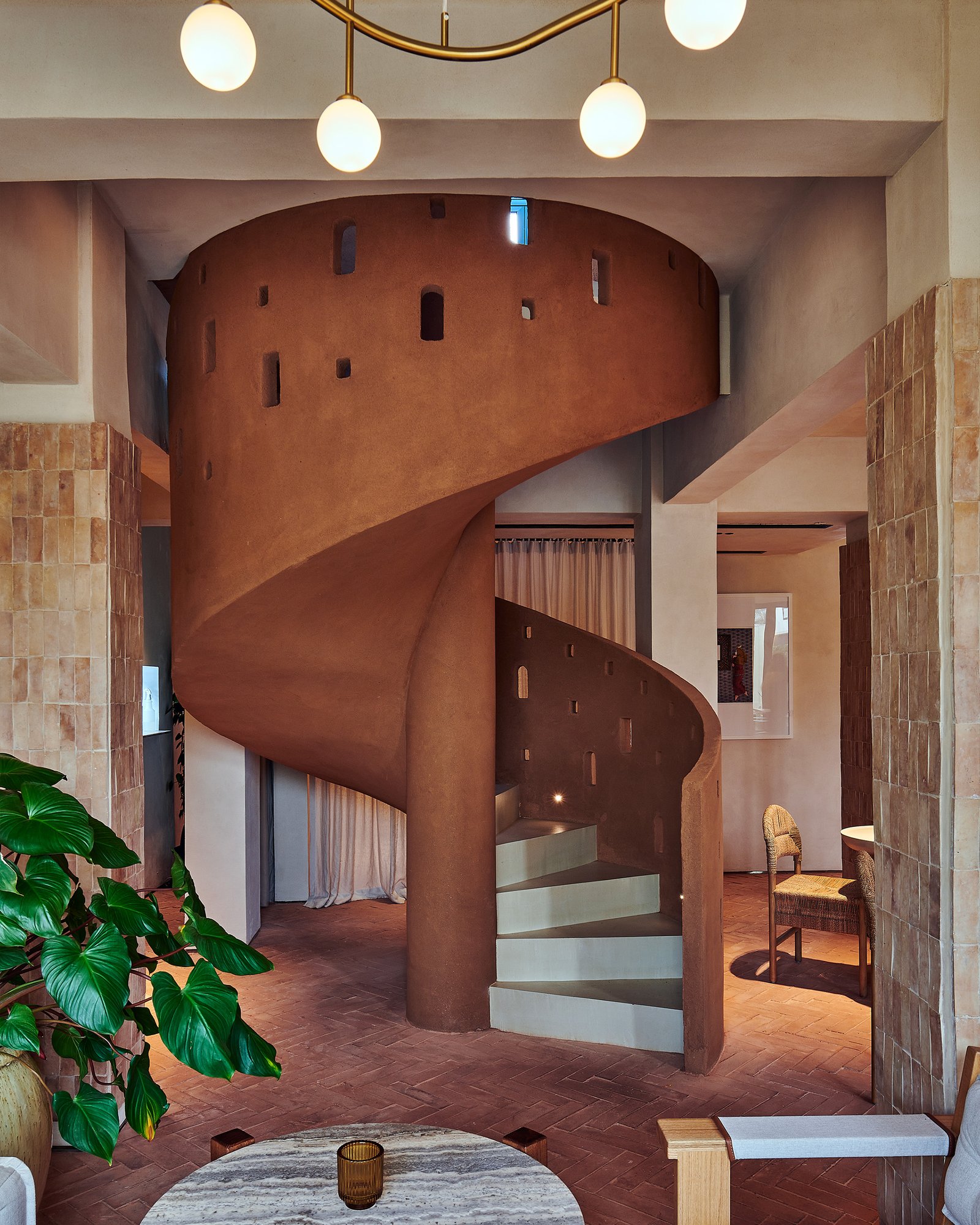
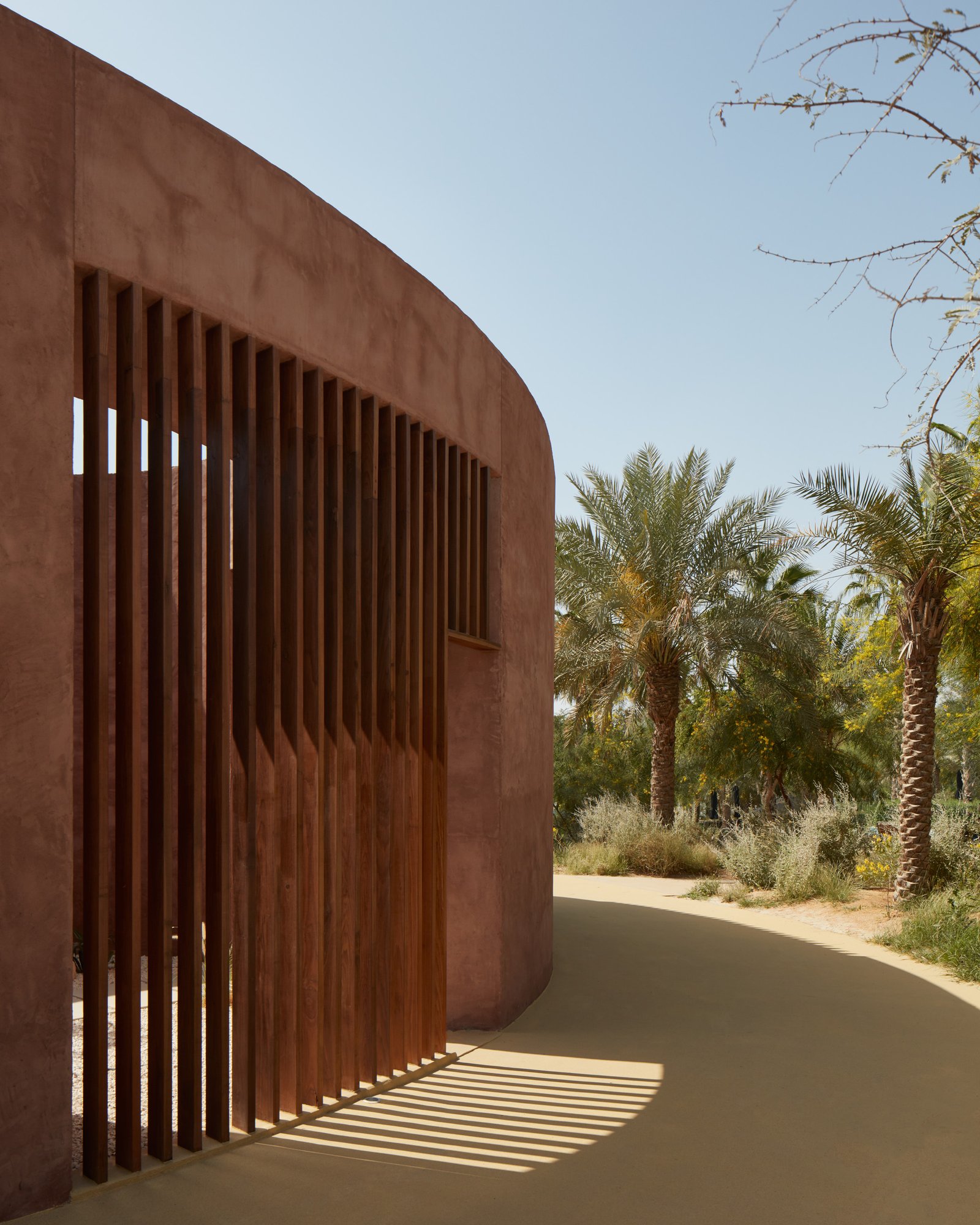
Featured projects
Built with this material, by our own artisans. Open the project for the full set of photographs and the story of the installation.
Technical library
The range is fully documented for specification and submittal. The library carries technical data sheets issued under our own cover, light reflectance values for daylight and lighting calculations, and the Auro primer sheet covering substrate preparation. Ask us if a consultant needs anything the library does not already hold.
Sample it, then specify it
We will make as many trial panels as it takes to arrive at the surface you want, on the substrate you are building on. Send the finishes schedule, or come to the showroom in Riyadh and put a hand on the range.