 EARTH LAYERS
Send your finishes schedule
EARTH LAYERS
Send your finishes schedule
The finish
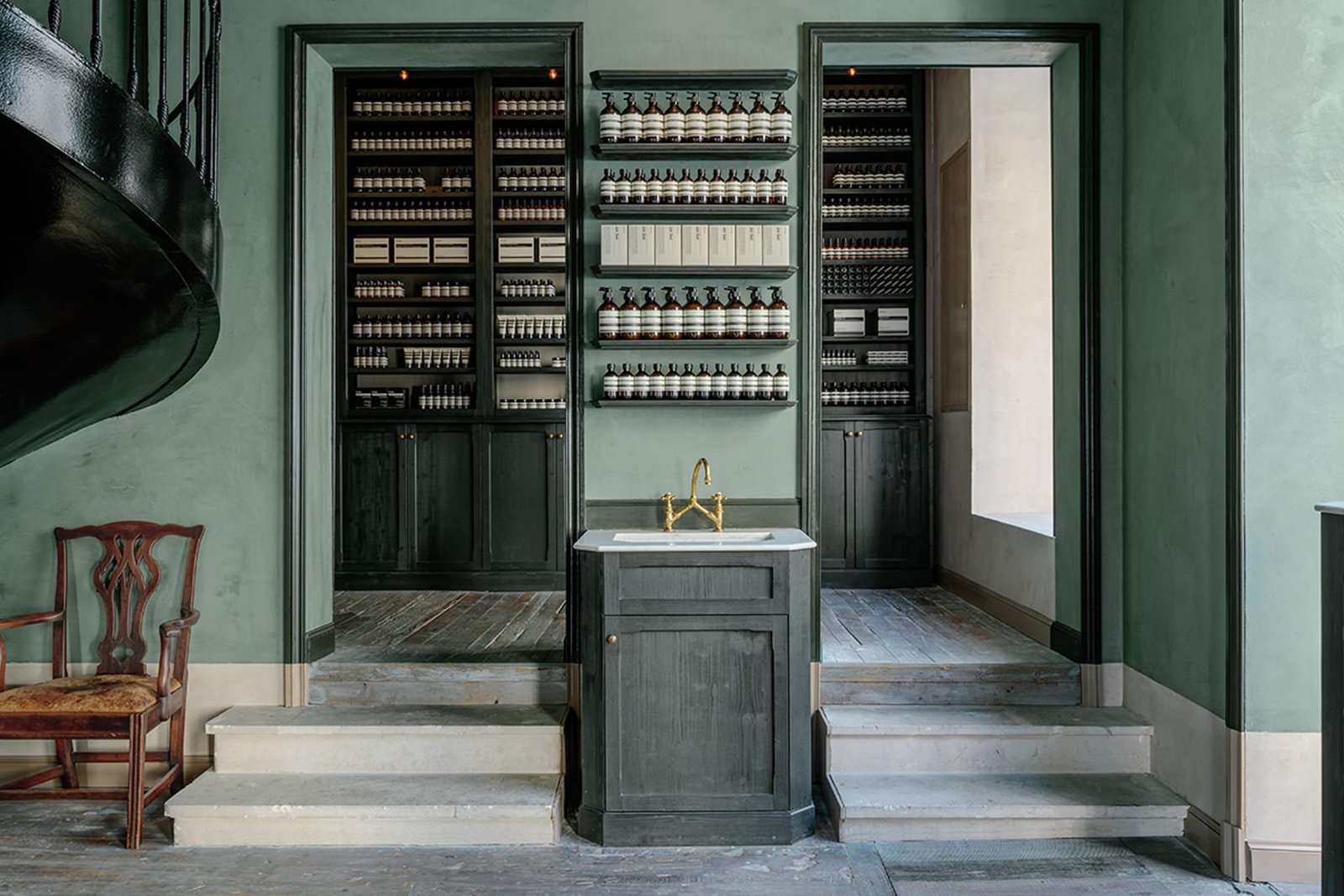
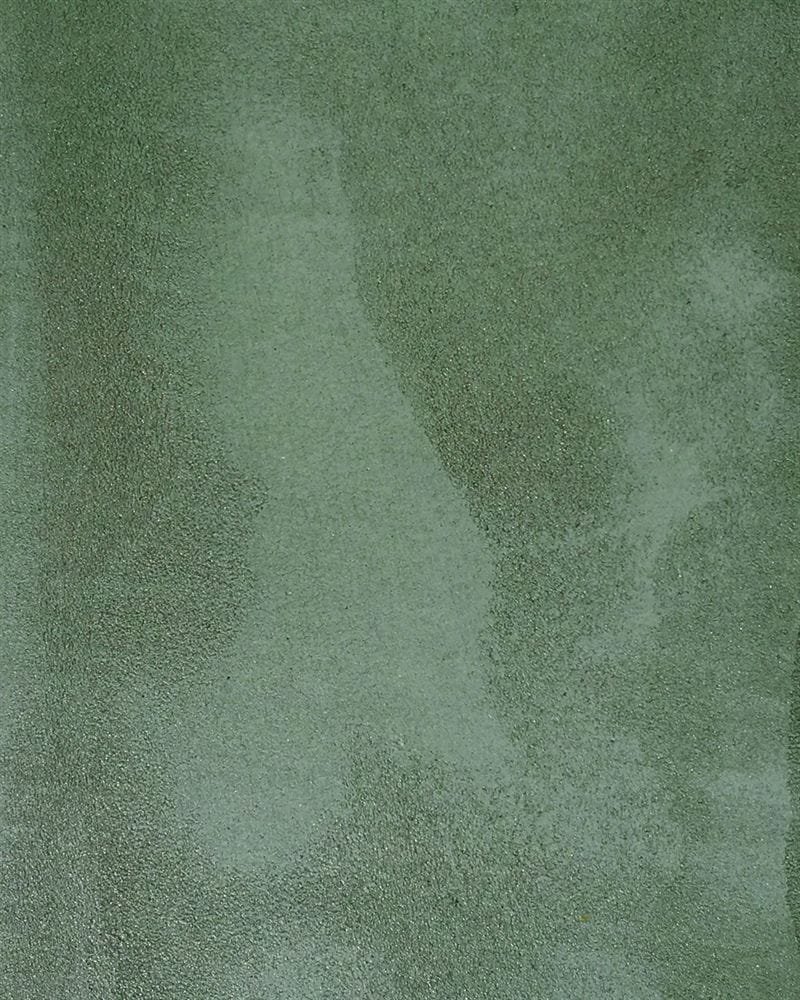
Tonal is Clayworks clay plaster laid so that one colour shifts into another across the face of a wall. There is no seam, no masked edge and no second visit to blend a join — the two tones are worked wet into each other while the panel is still open, and the gradient is set by the applicator's hand as they move across it. Like every Clayworks finish, the colour sits in the body of the plaster rather than on top of it, and the wall stays breathable, humidity-buffering and free of anything to off-gas.
Application is the whole story. A Tonal panel has to be finished in one working session, wall to wall, because clay plaster will not accept a cold join without showing it. That sets the pace: the tones are mixed and staged in advance, the team works to a planned direction of travel, and the grade is read by eye as it goes on. Two applicators on the same wall will produce two slightly different transitions, which is why we keep our artisans on our own payroll rather than subcontracting the work.
Light does the rest. Because the shift is gradual and the surface is matt, a Tonal wall reads differently through the day — a graded wall under a rooflight will look almost like two separate colours at midday and like one continuous field by evening. Grazing light from a wall-washer exaggerates the grade; flat frontal light softens it. It rewards a room where the daylight changes, and it goes quiet in a corridor lit evenly from above.
The difficulty is control. A gradient that moves too fast reads as a mistake; one that moves too slowly reads as a patch. The two tones have to be close enough in value to travel into each other cleanly, and the length of wall has to be long enough to carry the shift. We mock up Tonal at scale before committing — a sample board tells you the colours, but only a full-height panel tells you the rate of change.
Aesop's Bordeaux store is the reference project: Tonal in a custom green, graded across the retail walls in a single continuous pass. It is the clearest demonstration of what the finish is for — colour that behaves like light rather than like paint. Tonal is available across the Clayworks palette, including custom references, and ages the way all clay plaster does: it settles slightly in the first weeks, then holds.
Where it belongsSamples
Swatches are made by hand, so no two are identical. Colour on a screen is a starting point — we make trial panels on your substrate before anything is agreed.
Textures on this base
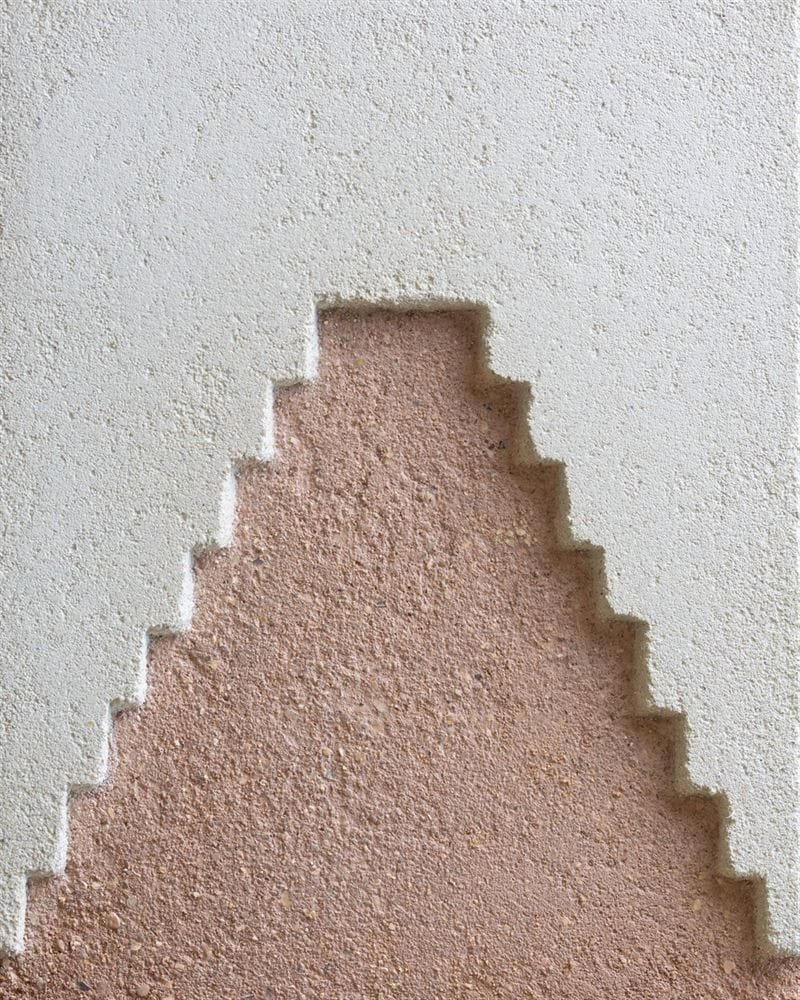
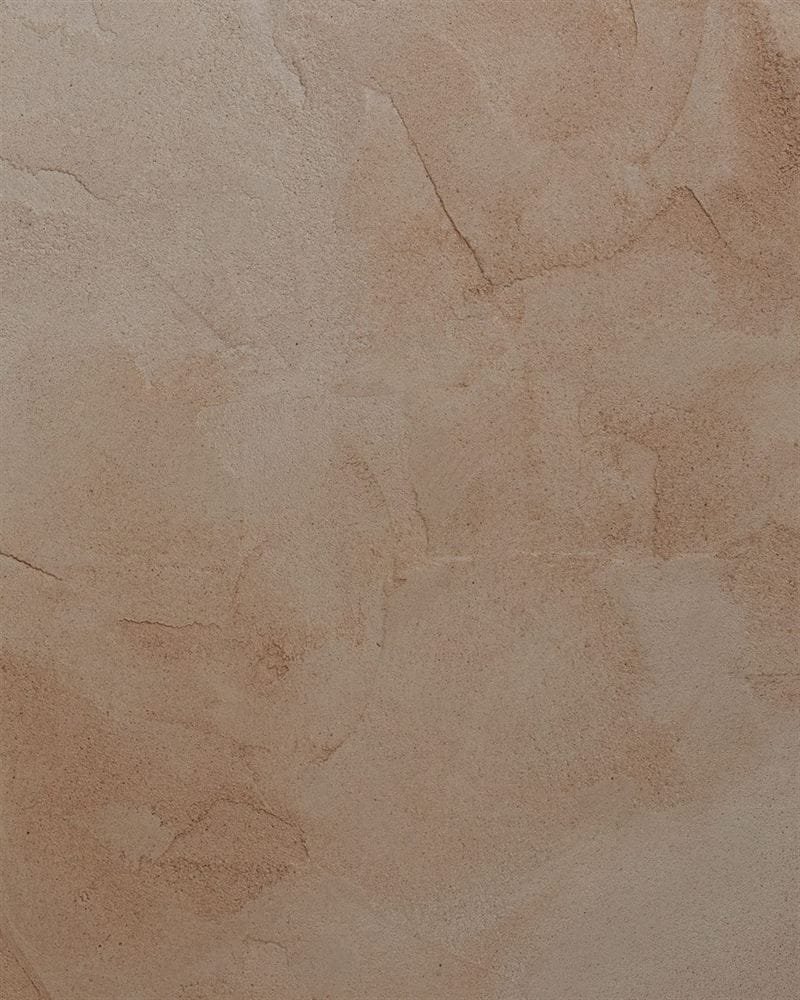
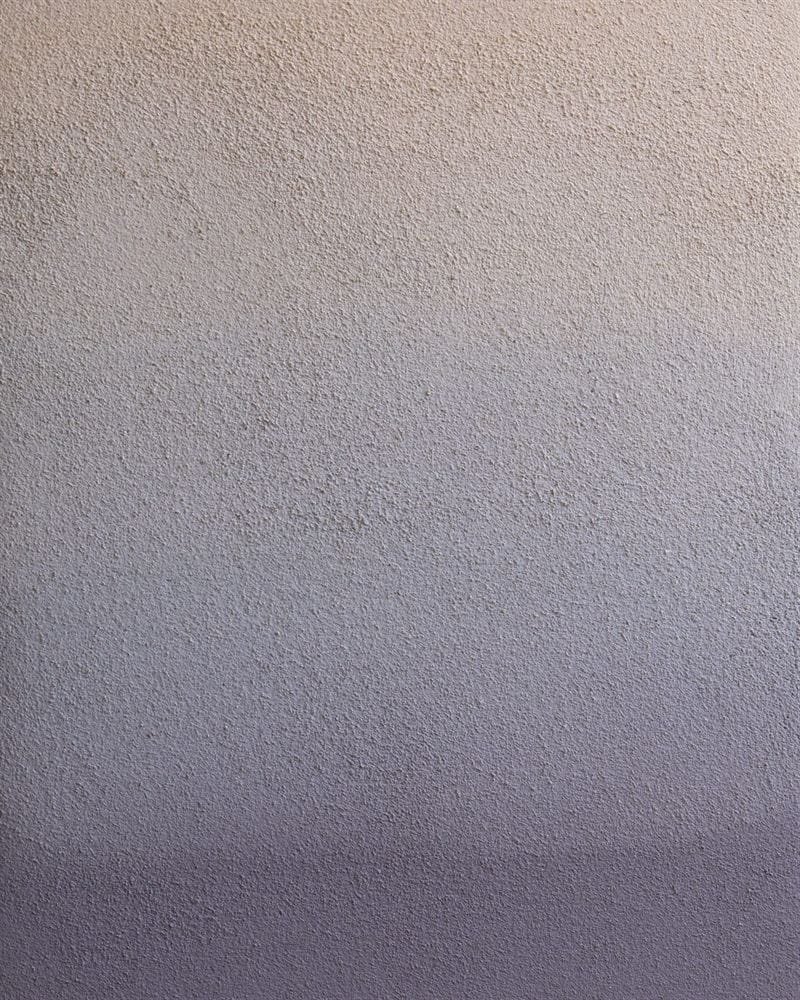
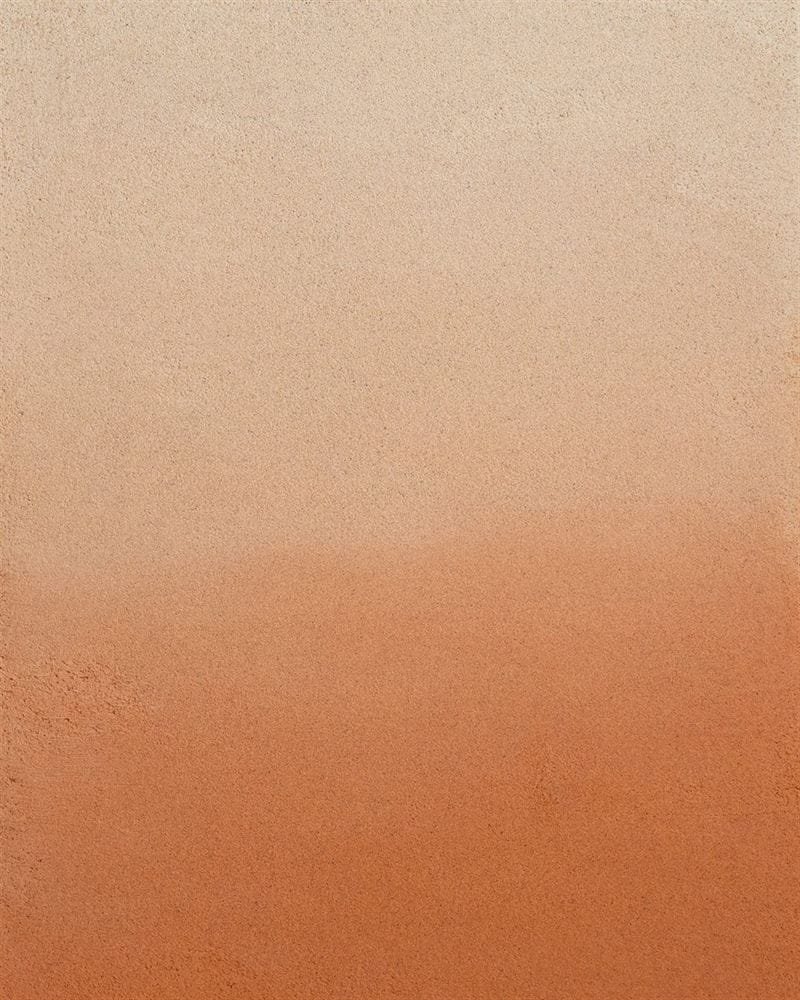
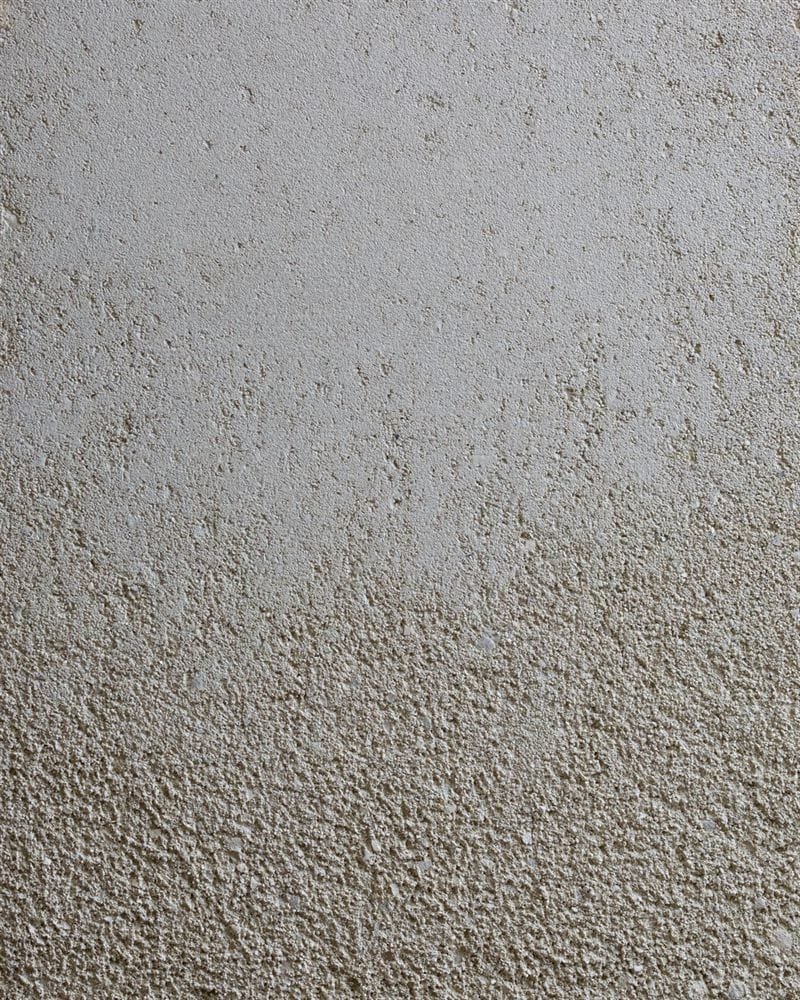
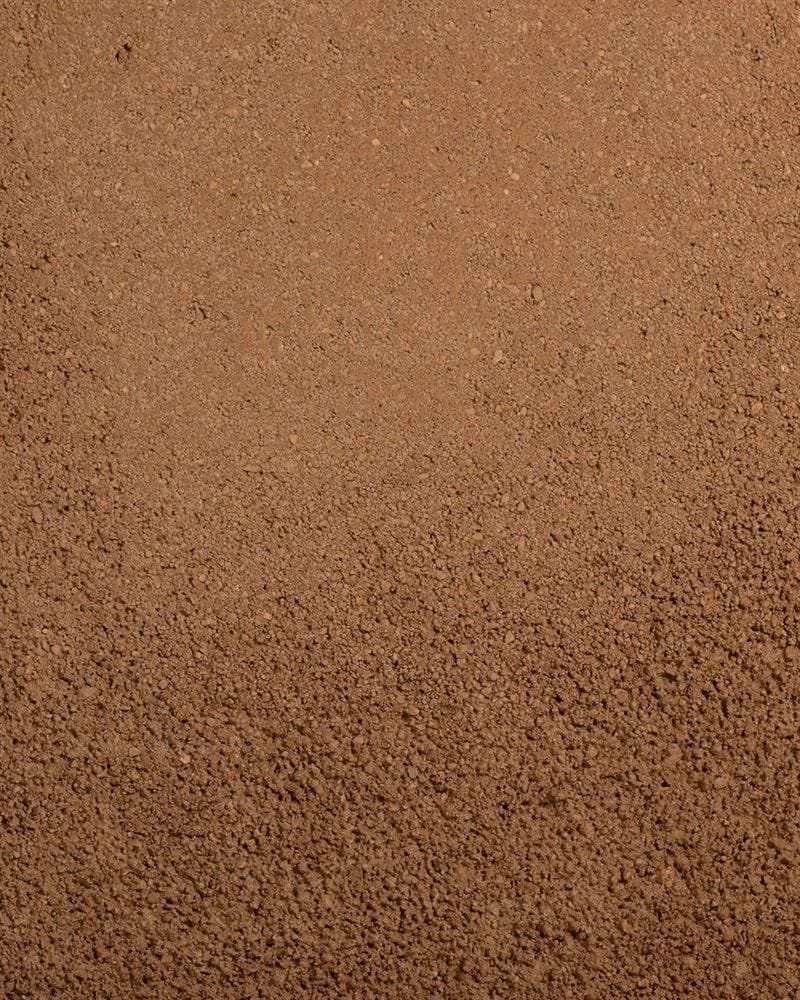
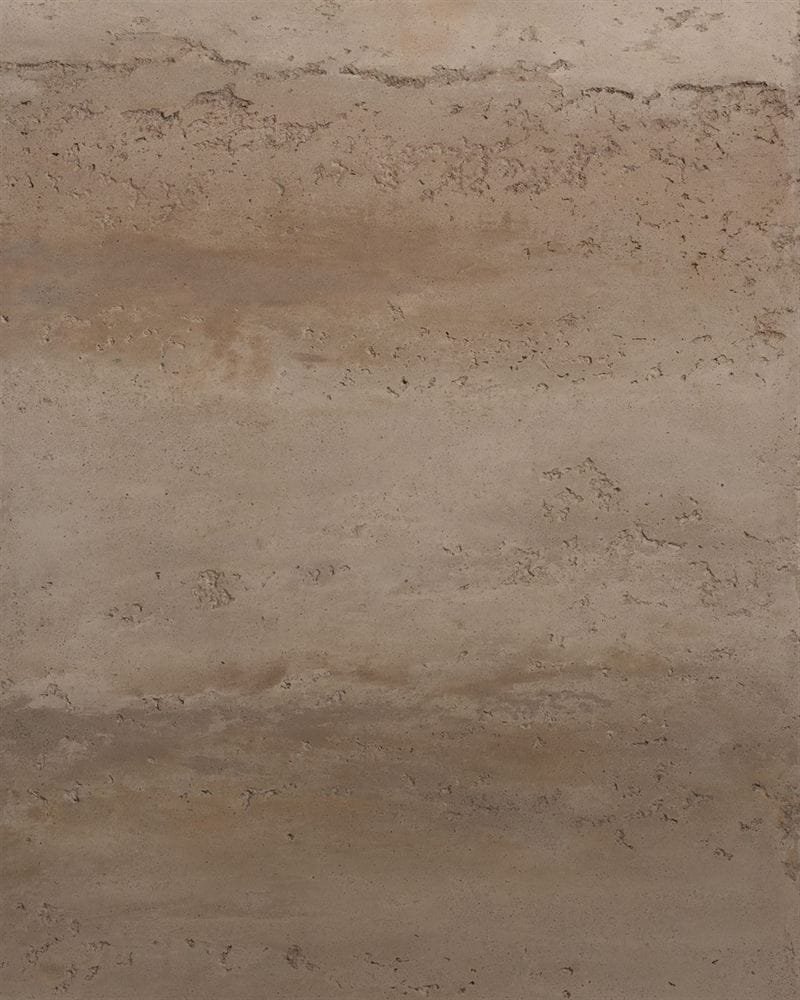
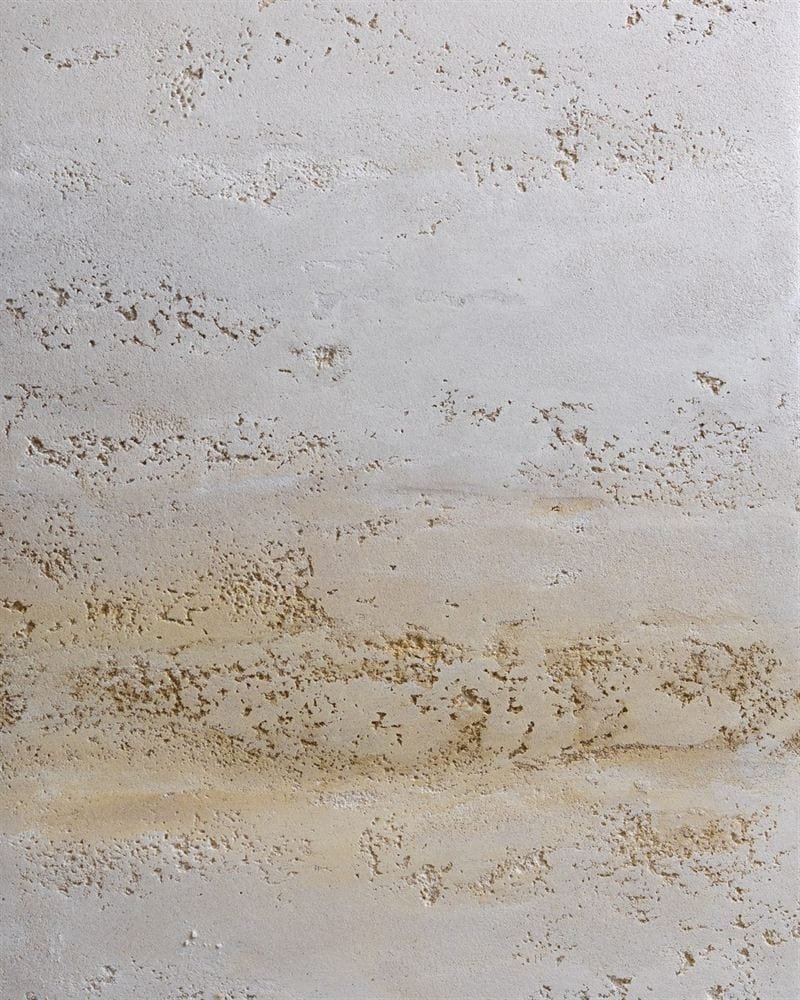
Every texture below is worked into the same plaster while it is still green, by hand, on site. Colour and texture are chosen separately, so any of these can be made in any colour in the range. See all of them on custom finishes.
Documents
Data sheets and supporting documents, each issued under our own cover. Free to download, no form.
-
Light Reflectance Values LRV across the colour range · PDF 0.7 MBDownload (PDF, 0.7 MB)
-
Auro Plaster Primer No. 301 Primer technical data sheet · PDF 0.9 MBDownload (PDF, 0.9 MB)
-
Application Guidelines Substrates, priming and application · PDF 0.7 MBDownload (PDF, 0.7 MB)
-
Design Details Junctions, reveals and edge details · PDF 2.8 MBDownload (PDF, 2.8 MB)
-
Technical Data Consolidated technical properties · PDF 0.8 MBDownload (PDF, 0.8 MB)
-
Product Overview The range at a glance · PDF 1 MBDownload (PDF, 1.0 MB)
-
Environmental Product Declaration Third-party verified EPD — EXPIRED 8 Nov 2025, renewal in progress; do not submit as current · PDF 0.9 MBDownload (PDF, 0.9 MB)
-
Health Product Declaration Demi-Rustic and Rustic · PDF 0.6 MBDownload (PDF, 0.6 MB)
-
Healthy Buildings Data Data for WELL and LEED submissions · PDF 1.8 MBDownload (PDF, 1.8 MB)
-
Sustainability Data Sheet Summary sustainability data · PDF 2 MBDownload (PDF, 2.0 MB)
-
Extended Sustainability Dossier The long-form dossier · PDF 5 MBDownload (PDF, 5.0 MB)
-
VOC Emissions and Content Certificates Certificates · PDF 0.9 MBDownload (PDF, 0.9 MB)
-
VOC Emissions Test Reports Full test reports · PDF 8.3 MBDownload (PDF, 8.3 MB)
-
Quality Policy Manufacturing quality policy · PDF 1 MBDownload (PDF, 1.0 MB)
Questions we hear
How long a wall does a Tonal gradient need?
Longer than most people expect. The grade has to have room to travel or it reads as a patch rather than a transition. We assess this on site and mock up a full-height panel before the colours are signed off — the sample board confirms the tones, the mock-up confirms the rate of change.
Can Tonal be matched to a brand colour?
Yes. Tonal is a custom finish and works from the Clayworks system, including custom references such as BL, TSN and CSP. The Aesop Bordeaux project used a bespoke green. Both ends of the gradient are matched and approved before application begins.
Can Tonal be used in a bathroom or an outdoor majlis?
No. Clay plaster is an interior finish for walls and ceilings only. Wet areas go to tadelakt or lime, and exterior elevations use a dedicated exterior clay plaster system. We will specify the right one for the zone.
What happens if a wall is damaged later?
Local repair is possible but a graded wall is harder to patch invisibly than a flat one, because the repair has to sit inside a moving colour. We keep project records and mix data so a repair can be matched, and in most cases we re-work the full panel rather than spot it.
Featured project
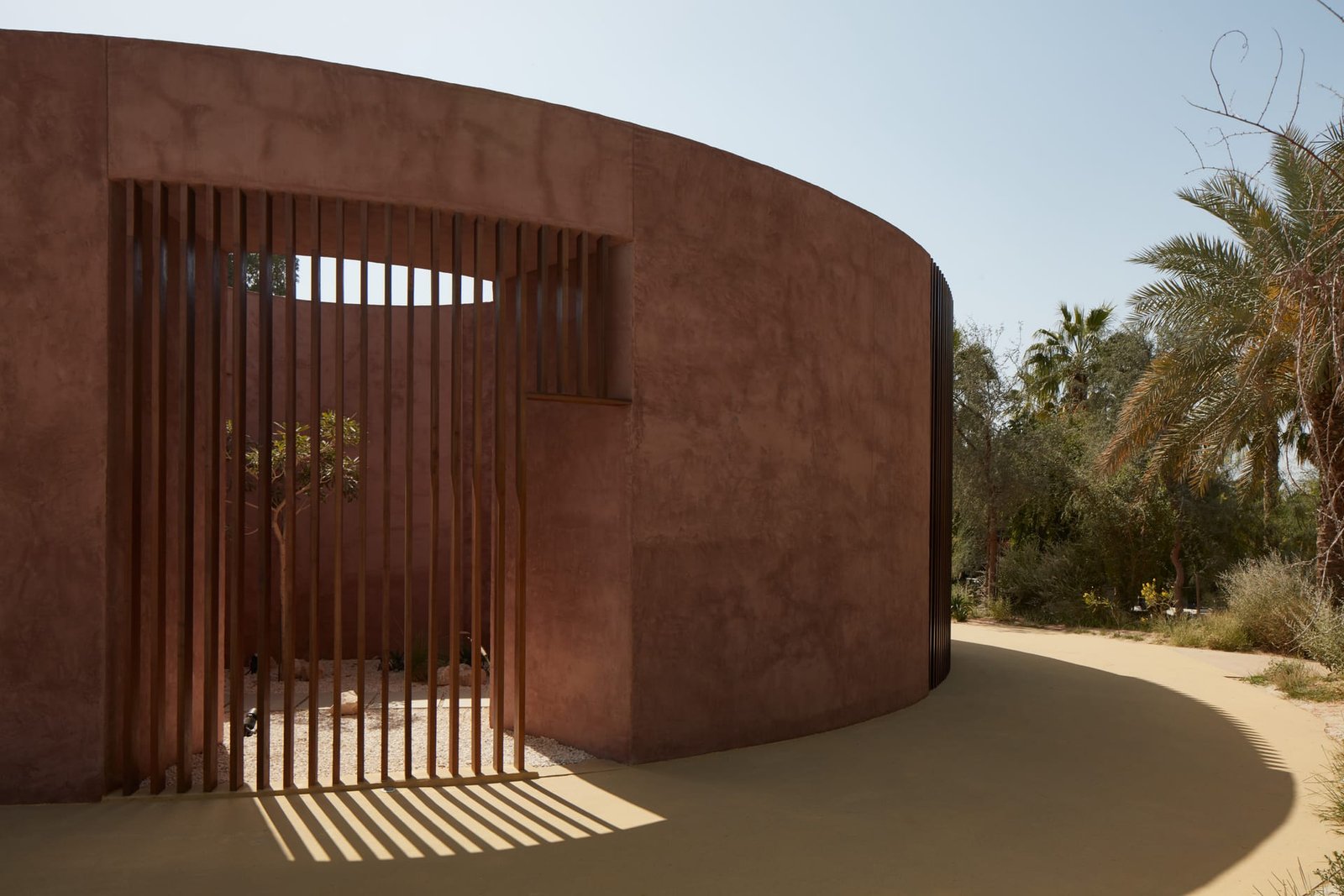
Built with this material, by our own artisans. Open the project for the full set of photographs and the story of the installation.
The rest of the range
Sample it, then specify it
We will make as many trial panels as it takes to arrive at the surface you want, on the substrate you are building on. Send the finishes schedule, or ask for a sample and a mock-up on your own site.