
Lime plaster in Dubai: the wet-area workhorse
Of all the natural finishes we supply and install, lime is the one built for water. Clay plaster, rammed earth and eco paints belong on dry interior walls; a bathroom or hammam asks more of a surface, with daily splash, standing humidity, heat and regular cleaning. That is why our wet-area work runs on lime plaster: for Dubai bathrooms, hammams and spa suites across the UAE we install tadelakt and Cemher Microtadelakt, and keep clay for the rooms next door.
Lime cures by carbonation, slowly hardening as it takes carbon dioxide back from the air. Burnish it and treat it with soap and it becomes water-repellent as well as hard — which is the whole story of tadelakt. The full palette, from clay through lime to microcement, is set out on our materials page.
Tadelakt for the bathroom and the hammam
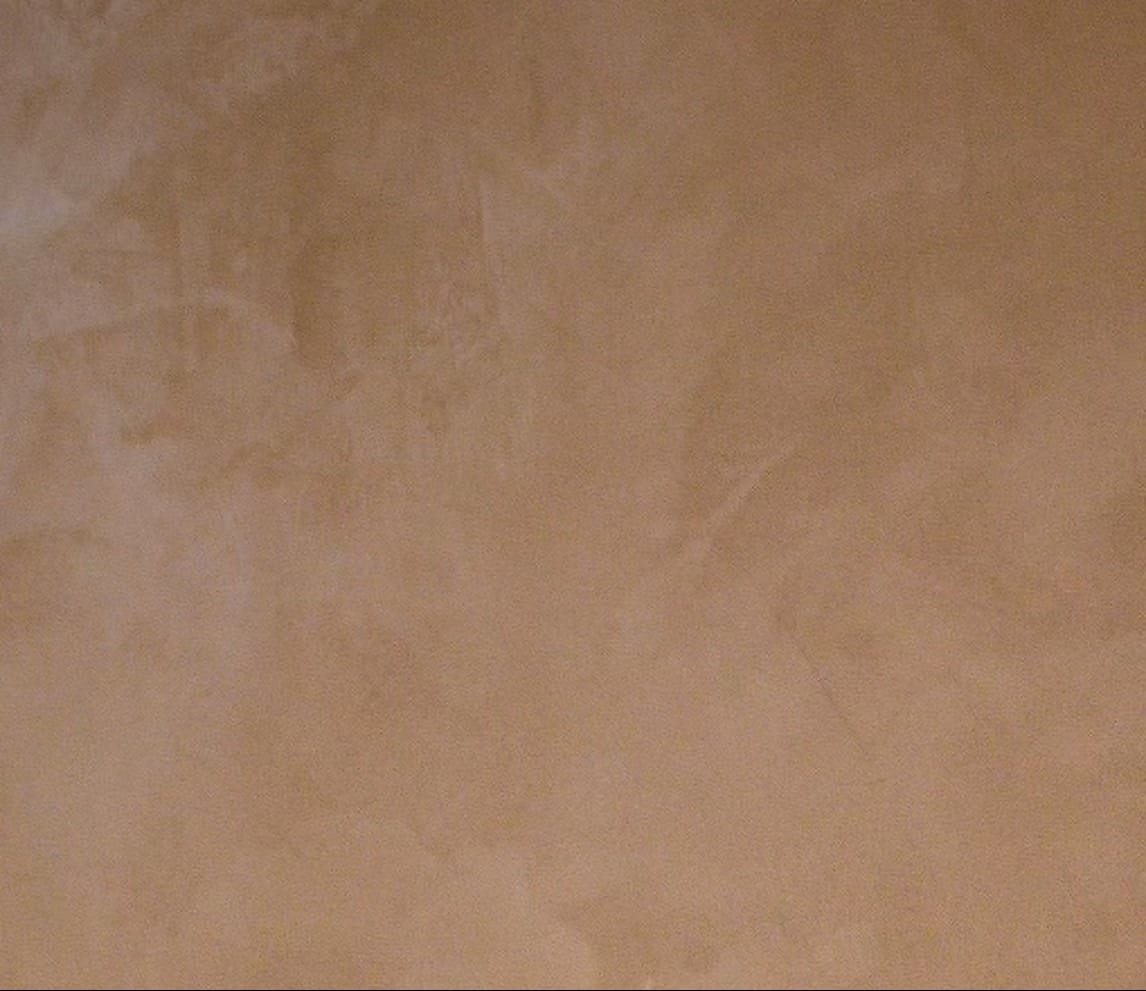
Tadelakt is a Moroccan technique: lime plaster compacted with a stone, burnished to a soft sheen, then treated with olive-oil soap. The soap reacts with the lime to form a water-repellent surface, which is why the method has lined hammams, basins and bathhouses for centuries.
In a modern tadelakt bathroom the appeal is practical as much as visual. There are no grout lines to discolour, the surface wraps curves, niches and benches without a joint, and the finish reads as one continuous piece of soft stone. It suits shower enclosures, hammam benches, vanity surrounds and full steam rooms.
Maintenance is straightforward: mild, non-acidic soap, no abrasive scourers, and an occasional re-soaping to renew the water-repellent surface. Treated well, the finish deepens in character rather than wearing out.
Cemher Microtadelakt: polished plaster for Dubai wet areas
For projects that want the tadelakt look with the consistency of a modern, specifiable system, we install Cemher Microtadelakt — a polished lime plaster applied in fine coats and worked to a smooth, stone-like surface. It carries the qualities architects ask us for when they specify polished plaster in Dubai: seamless coverage, a controlled sheen and a surface made for wet areas.
As with everything we install, the artisans are on our own payroll rather than subcontracted, and we are the exclusive Middle East distributor for the materials we apply. Where a brief calls for a pool shell or a heavy-traffic floor, we would sooner move to Cemher's microcement range — durable and low-VOC — than push lime beyond its comfort zone.
Why clay stays out of direct-water zones
Clay plaster is unfired earth. Its binder never chemically sets the way lime does, so repeated wetting can soften it. We install clay on interior walls and ceilings only — never on floors, and never in zones that take direct water. No sealer or soap treatment changes that, and a specification that promises otherwise is storing up a callback.
In the right room, clay's relationship with moisture is its strength: clay walls help hold a space between 40 and 60 per cent relative humidity, with nothing to off-gas. As Clayworks' sole authorised distributor and approved applicator across the Middle East, we pair their clay plasters with lime and tadelakt in the same project — clay in the bedrooms and living spaces, lime where the water is. Our guide to clay plaster in Dubai covers the dry-zone side in detail.
Afraa Boutique: Microtadelakt in practice
At Afraa Boutique in Place Vendome Mall, Lusail, our crews installed Cemher Microtadelakt across a retail interior. It is not a bathroom, and that is rather the point: the finish was chosen for how it looks — seamless, softly polished, closer to stone than paint — not only for how it handles water. The same system, specified for a tadelakt bathroom or a hammam, behaves the same way with waterproofing detailed behind it.
More of our lime, clay and rammed earth work across the Gulf is on our projects page.
Specifying wet-area finishes in the UAE
The specification logic is simple. Direct-water zones — showers, hammams, splash zones around basins — take tadelakt or Microtadelakt. Humid but splash-free spaces can take lime plasters. Dry interior walls and ceilings are where clay belongs. All are natural, low-impact finishes that can contribute to WELL, LEED and Mostadam scorecards.
Tadelakt is a finish, not a tanking layer, so waterproofing and substrate preparation are detailed behind it in the usual way — one reason it matters that the people applying it are ours. If you are weighing finishes for a villa bathroom, a spa or a hotel hammam, send your finishes schedule through our enquiry page or message us on WhatsApp at +971 50 136 0506, and we will come back with build-ups, samples and budget guidance.